Omaha officials say the city is beginning to organize work on its climate plan after nearly two years of limited public progress, staffing changes and uncertainty over federal funding.
The City Council approved the climate action and resilience plan in December 2024. The plan sets a goal for Omaha to reach net-zero emissions by 2050, meaning most of the city’s energy would come from renewable sources or fuels that do not produce greenhouse gases.
The city’s website still describes the plan as a roadmap for climate resilience and a more sustainable future and includes a statement from former Mayor Jean Stothert. Stothert left office more than a year ago, while the employee assigned to oversee the climate work also has left the city, according to the city’s account of the initiative.
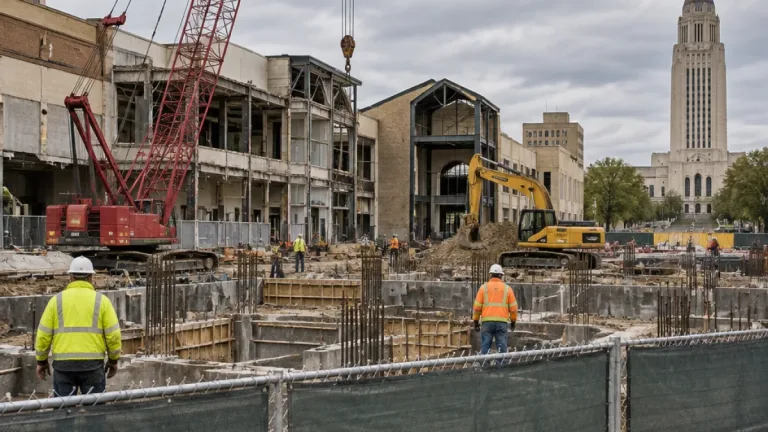
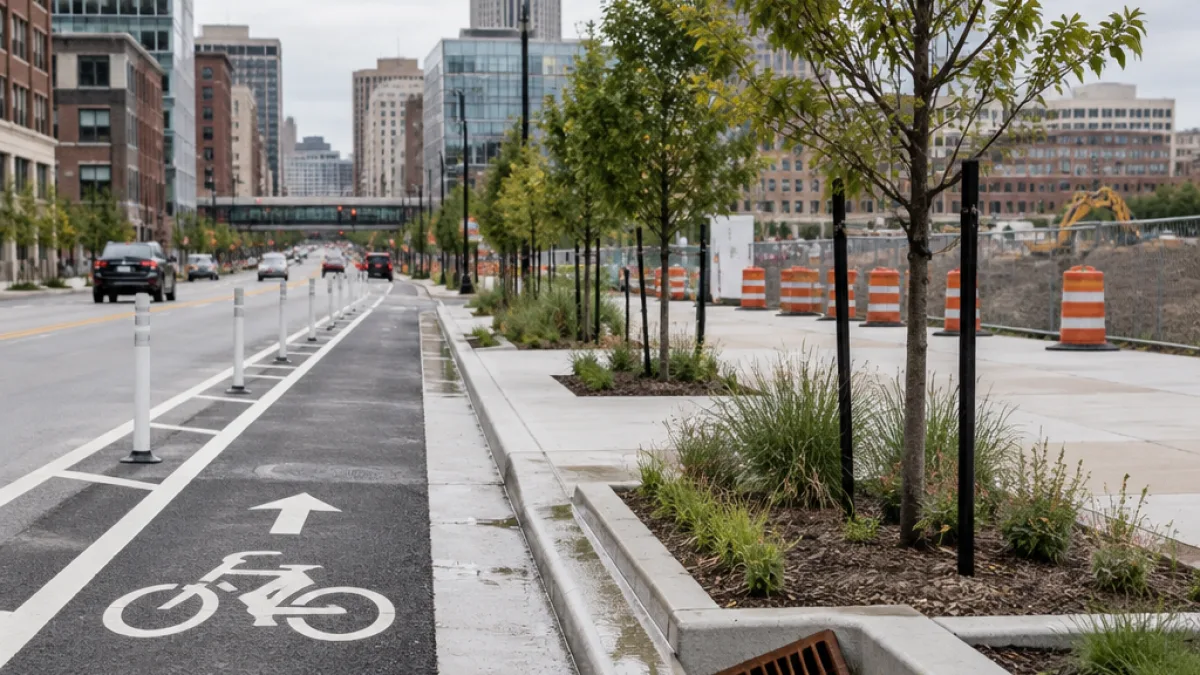
Omaha officials point to work involving biking and walking infrastructure, flood management and urban forestry. They also face a delay involving a federal grant that had been expected to support climate-related efforts. The federal government paused the grant, leaving its future uncertain.
“I’m concerned we haven’t made more progress, and that it’s not being actively managed or measured.” — Omaha City Council member Pete Festersen
Festersen, who has represented north-central Omaha since 2009, said the council has adopted policies that allow denser development and reduce dependence on cars. He described those measures as individual actions rather than implementation of a coordinated path laid out in the plan.
Task force sets priorities
Christie Abdul-Greene, co-chair of the city’s climate task force, said the group has spent the past year determining where to begin among the plan’s 46 strategies and 173 potential actions. The first phase of the 10-year plan ends next year.
The task force’s work is intended to identify which actions should move forward first. The plan includes steps involving transportation, flooding, trees and other parts of city operations and development. City officials say the effort is moving toward a process for managing and measuring progress.
- The plan calls for Omaha to reach net-zero emissions by 2050.
- Its 10-year framework includes 46 strategies and 173 potential actions.
- The first phase is scheduled to end in 2027.
Abdul-Greene said the task force is working through the plan’s options as the city considers how to proceed. Lincoln has made more progress on similar work, according to the comparison cited by Omaha officials and council members.
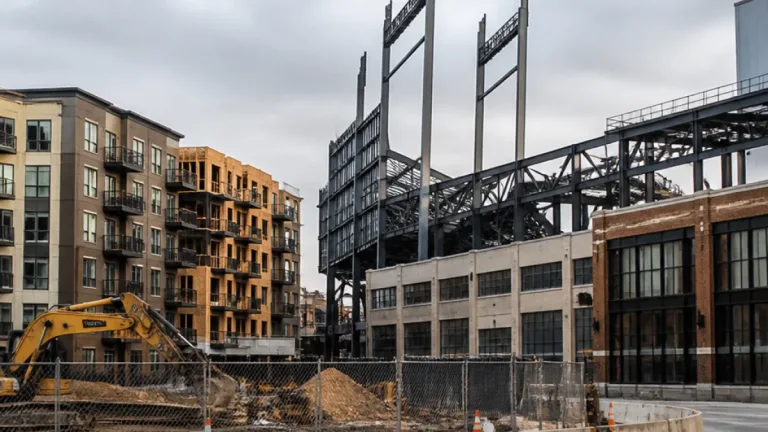
The city’s climate-related work remains tied to decisions about infrastructure, flood protection, urban forestry and development policy. Officials have identified those areas as current investments while the task force continues its review of the broader plan.