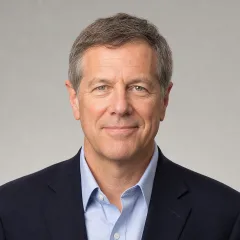
Sen. Deb Fischer is part of a bipartisan group of U.S. senators working on draft legislation that would change how the federal Universal Service Fund is financed, including a possible fee on broadband connections.
The proposal has not been formally filed in the Senate. Its potential changes would address a decline in the money collected for the program as Americans have moved away from traditional telephone lines and toward internet-based communications.
How the proposal would work
The Universal Service Fund was created in 1996 to help support telecommunications services in rural areas. The program distributed more than $8 billion last year, but its funding stream fell 41% between early 2018 and early 2026, according to the information provided about the draft.
The draft would create a new Universal Service Fund charge on households and businesses with broadband connections. The additional cost could reach $100 on internet bills, although the amount would depend on how the proposal is structured and implemented.
- The draft would apply a new Universal Service Fund charge to broadband connections.
- It would increase the existing fee collected on cellular telephone lines.
- It would not set a cap on Universal Service Fund spending.
The plan would also raise the existing Universal Service Fund fee on cellphone lines. Removing a cap on total program spending would leave room for future charges to increase, based on the description of the draft.
Opposition to a broadband charge
The proposal has drawn opposition before its introduction. More than two dozen outside groups, led by Americans for Tax Reform, urged Congress in August to reject a new charge on broadband service. The groups argued that the program should instead be changed by narrowing eligibility or ending the broadband subsidies, along with the possibility of retiring the broader program.
The Universal Service Fund has traditionally been supported through fees on telecommunications services. The draft reflects the shift in communications use: internet applications such as WhatsApp, FaceTime and Zoom have replaced some calls that once traveled over traditional telephone networks, reducing the base used to collect money for the program.
Fischer, a Nebraska Republican, is one of the senators involved in the bipartisan drafting effort. The proposal remains under development, and the information available describes a potential approach rather than enacted legislation. Any measure would need to be filed and considered by the Senate before Congress could act on it.