Health leaders from across Nebraska used a gathering in O’Neill to focus on the state’s rural health care shortage, identifying local training and worker retention as central parts of the response.
The leaders said rural communities need to develop more of their own health care workforce. That means creating pathways for residents to train close to home rather than relying primarily on workers who come from elsewhere after completing their education.
Training workers in rural communities
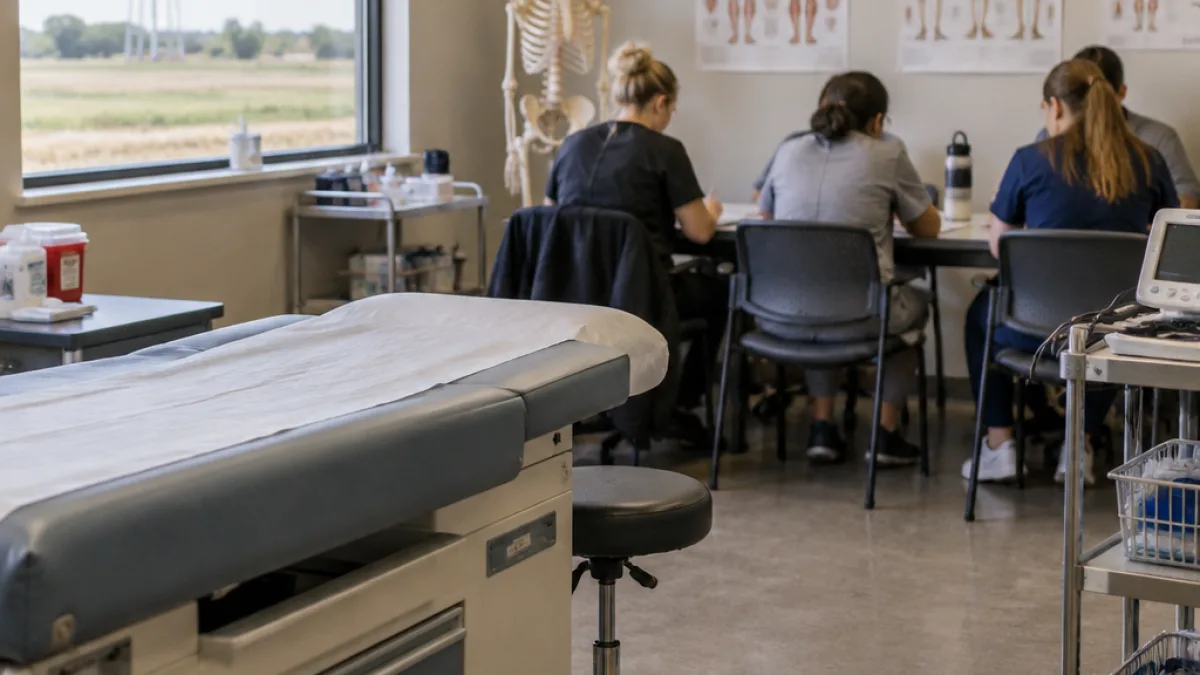
Local training was one of two themes highlighted during the discussion. Health care leaders said communities have a better opportunity to fill open positions when people can receive training in the areas where they live. The approach connects education and employment more directly to the needs of rural hospitals, clinics and other providers.
The discussion in O’Neill also focused on keeping workers in rural Nebraska after they complete their training. Leaders said communities must give health care workers reasons to stay, making retention a part of the workforce strategy rather than treating recruitment as the only solution.
- Local education: Rural communities can train more health care workers close to where they live.
- Worker retention: Communities also need conditions that encourage trained workers to remain in rural Nebraska.
The workforce issue affects communities across the state, not only one hospital or one region. Leaders from different parts of Nebraska brought the discussion to O’Neill as a statewide rural health care concern, with the focus on approaches that can be used in smaller communities.
By emphasizing both training and retention, the leaders described rural health care staffing as a long-term community workforce matter. Their message was that preparing workers locally and giving them a reason to stay must be addressed together.
The O’Neill discussion put rural health care staffing among the issues requiring cooperation among Nebraska communities and health care leaders. The two priorities identified there were building local training opportunities and retaining the workers those programs prepare.