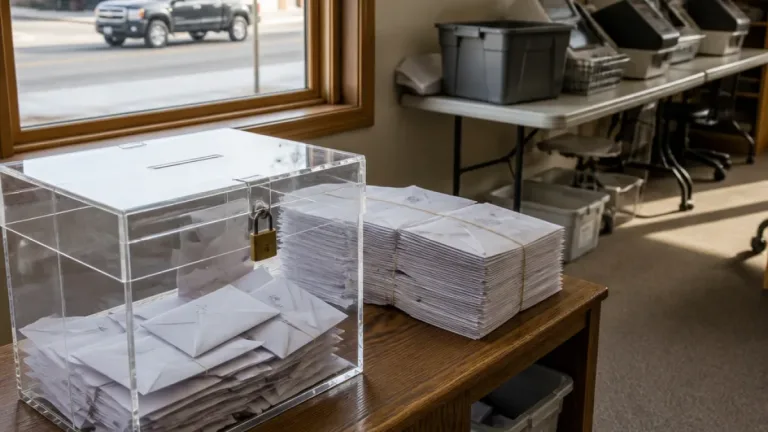
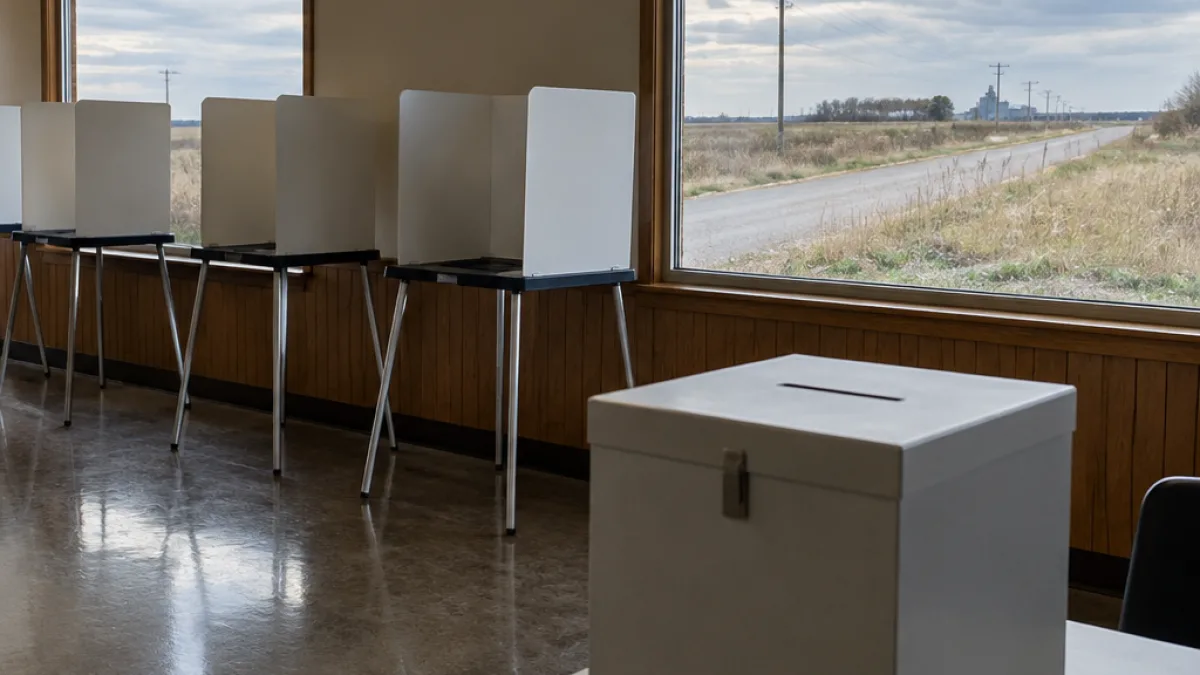
Hall County voters are deciding whether to eliminate the county’s elected weed control authority and place its responsibilities under the county board of commissioners.
The proposal would not end the county’s weed-control work. The existing weed department would remain in place, while commissioners would take over the board’s oversight duties. The question has focused on how Hall County should manage a program that affects rural landowners, roadsides and waterways.
Hall County Board Chairman Ron Peterson said commissioners brought the measure forward primarily because the county has struggled to find candidates willing to serve on the elected weed board.
“We’ve had a very difficult time getting people to run for the weed board, and had trouble finding candidates that wanted to be on the board,” Peterson said.
Under the proposed structure, commissioners would oversee weed-control responsibilities in the same way they manage other county functions. Peterson said the change could reduce county costs by about $5,000, although he described the amount as small compared with the broader question of who should direct the program.
“If you’re voting for it because you think it’s going to save the taxpayers a lot of money, the total savings might be somewhere in the neighborhood of $5,000,” Peterson said.
Current weed board members have suggested that the board’s expenses are lower than that estimate. The measure therefore turns less on a large budget reduction than on whether specialized local oversight should remain with an independent board or move to the county’s elected commissioners.
Local knowledge is part of the debate
The issue has drawn attention from rural residents who view knowledge of local land and growing conditions as important to controlling noxious weeds. Chad Gideon, a Wood River sod farmer and member of the existing weed board, has identified that local knowledge as one of the board’s key assets.
Noxious weeds can spread across property lines and county boundaries, including along the Platte River channel in Hall County. The county’s weed department would continue its work if voters approve the change, but commissioners would become responsible for setting the program’s direction and overseeing its operations.
Peterson said some current board members have relevant expertise, while acknowledging that rural residents may question whether county commissioners would have the same specialized understanding as a dedicated weed board.
- The elected weed-control authority would be eliminated under the proposal.
- Hall County commissioners would assume oversight of the existing weed department.
- Peterson estimated potential savings at about $5,000.
The ballot question is being decided during Nebraska’s Nov. 3 general election. Its outcome will determine whether Hall County’s weed-control responsibilities remain under an independent elected authority or shift to the county board of commissioners.