Nebraska’s expanding data center industry is facing increased scrutiny over electricity prices and the cost of building infrastructure to serve large technology facilities as voters head to the polls Tuesday.
A new state law gives Nebraska’s public power suppliers authority to require data centers to pay the full cost of their electric service, including infrastructure upgrades needed to connect and serve the facilities. The policy places the cost question with the utilities that provide power and maintain the state’s public electric systems.
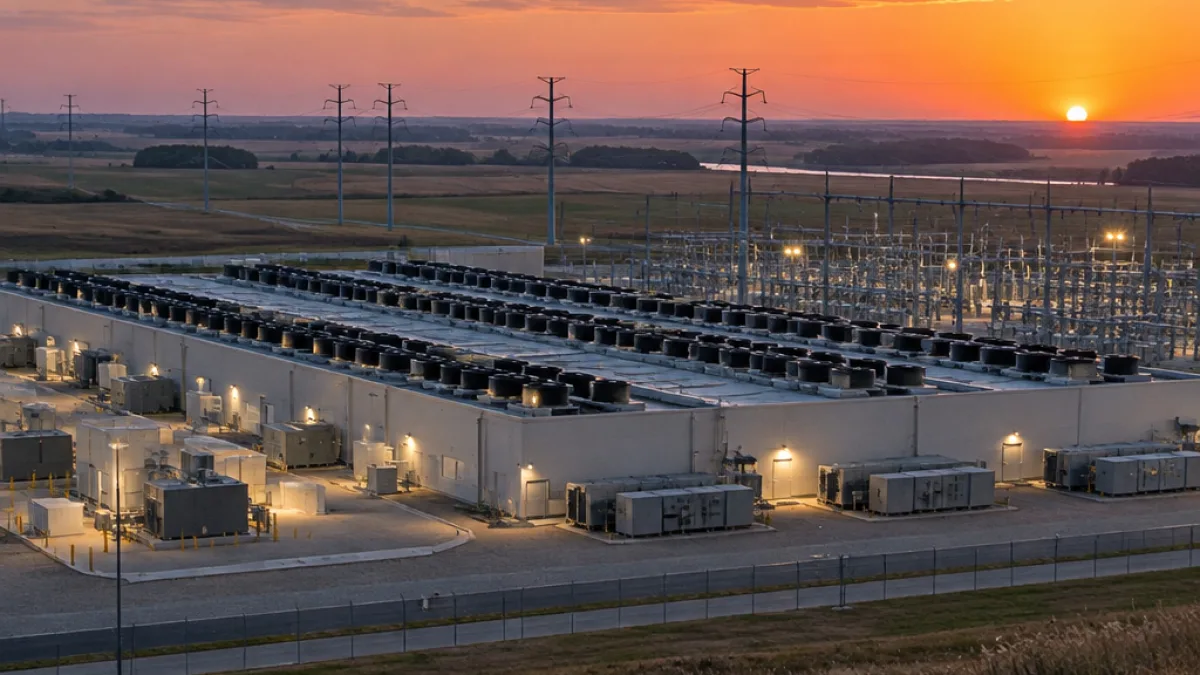
Data center directories list dozens of facilities across Nebraska, with the largest concentrations in Omaha and Papillion. The facilities support computing and data storage operations for major technology companies, including Google and Meta, which have made substantial investments in Nebraska’s data center industry.
Electricity costs become a concern
Residents have raised concerns that the additional demand could affect household electric bills. David Linder, a Bellevue resident who has lived there for 26 years, said his monthly electricity cost increased from $174 to $230. He described that as more than a 30% increase in one month.
“My monthly electricity rate has gone from $174 to $230 a month. That's more than a 30% uptick in just one month.” — David Linder, Bellevue resident
Linder said utilities should make large corporations responsible for both the electricity they use and the infrastructure required to serve their facilities. He also said he supports a two-year moratorium on new data centers while policymakers consider additional safeguards.
The Omaha Public Power District has said data center revenue can help limit rate increases for other customers. Under the new law, public power suppliers can require data centers to cover infrastructure expenses associated with their service, rather than automatically placing those costs on the broader customer base.
State review and tax policy
Gov. Jim Pillen signed an executive order in July ending state tax incentives for data centers. The order also created a task force to examine the facilities’ effects on natural resources.
- Omaha and Papillion have the largest concentrations of Nebraska data centers listed in industry directories.
- Public power suppliers may require data centers to pay for electricity service and related infrastructure upgrades.
- Google and Meta are among the technology companies that have invested in Nebraska data centers.
The industry has brought economic development activity to Nebraska while increasing attention on the electricity required to operate the facilities. The debate now includes both the potential benefits of data center investment and the way utilities assign the cost of new power demand.
As Nebraska’s public power suppliers apply the new authority and the governor’s task force examines the industry’s effects on natural resources, residents and policymakers are weighing how future data center growth should be managed and financed.