Roughly 1,000 refugees and immigrants across Nebraska lost Medicaid coverage on Oct. 1 after changes enacted under the One Big Beautiful Bill Act, the Nebraska Department of Health and Human Services said. Notices for affected cases were mailed before Sept. 18, 2026, DHHS said.
Community organizations report rising need
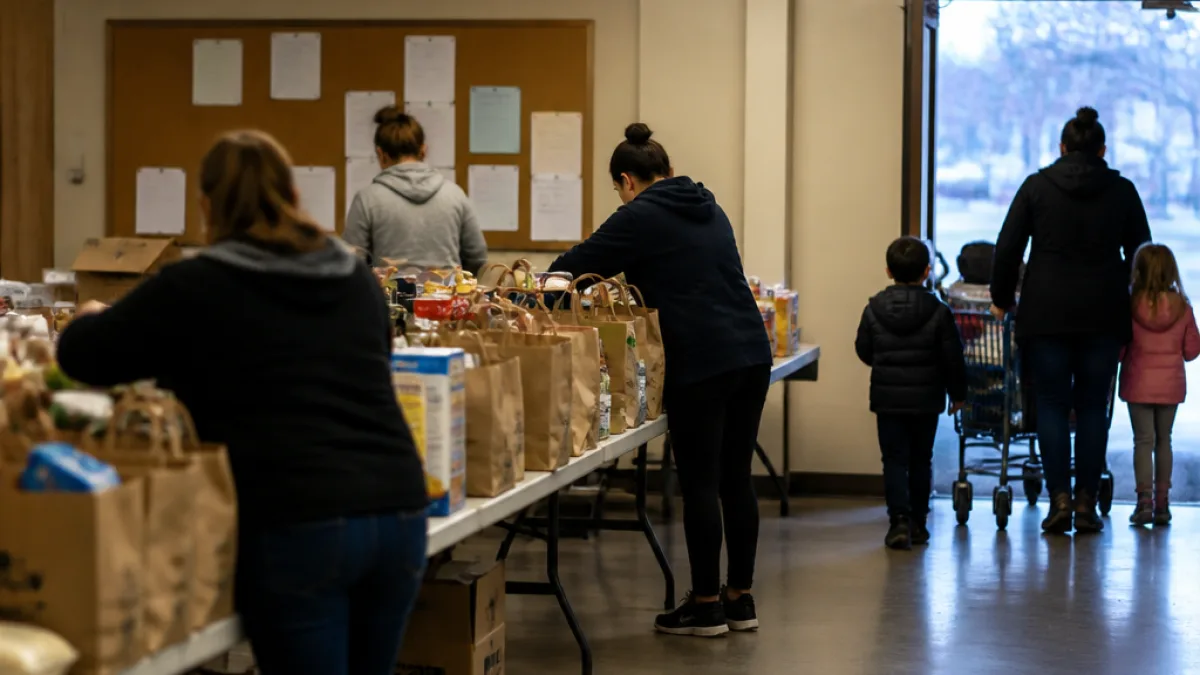
Faith and refugee service organizations in Omaha said they have already seen increased demand for food, financial assistance and health services tied to the loss of coverage.
“One food event normally costs of 10 to 12 thousand dollars, and that's when people are more generous,” said Pastor Peter Karanja of Hanscom Park United Methodist Church, who also runs the All People's Pantry.
Karanja said a recent distribution ran out in less than two hours and served more than 200 families. Der Yang, who directs refugee services at the Center for Immigration and Refugee Advancement, said families face sharply higher out-of-pocket costs for medical care.
“And with the loss of Medicaid trying to get anywhere near or anywhere near self efficiency is really impossible now because you can't really put a cost on how much healthcare is going to cost,” Yang said.
Officials’ estimate and timeline
The Nebraska Department of Health and Human Services provided the estimate of about 1,000 people affected and confirmed that case closure notices were sent to recipients before Sept. 18. The change took effect statewide Oct. 1, 2026.
Advocates said the change is increasing demand on local safety-net services and could lead people to delay or forgo medical care because of costs. Organizers at churches and nonprofit groups described rising pressure on food pantries and community programs that assist newly arrived families.
Local response and services
Churches and immigrant-serving organizations said they are expanding food distributions and outreach to help families bridge gaps in medical care and living expenses. The Center for Immigration and Refugee Advancement said it is working with partner agencies to connect people to community clinics and to help them understand eligibility for any remaining benefits or other assistance programs.
Key details
- DHHS estimates about 1,000 refugees and immigrants in Nebraska lost Medicaid coverage effective Oct. 1, 2026.
- Notices for cases closed were mailed before Sept. 18, 2026, DHHS said.
- Local faith-based and refugee service organizations report increased demand for food and assistance and concern about unaffordable medical costs.
The organizations and officials quoted are involved in direct services to immigrant and refugee communities in Omaha. DHHS provided the figure and the timeline on the change in coverage; advocates described the effects on families and local programs.