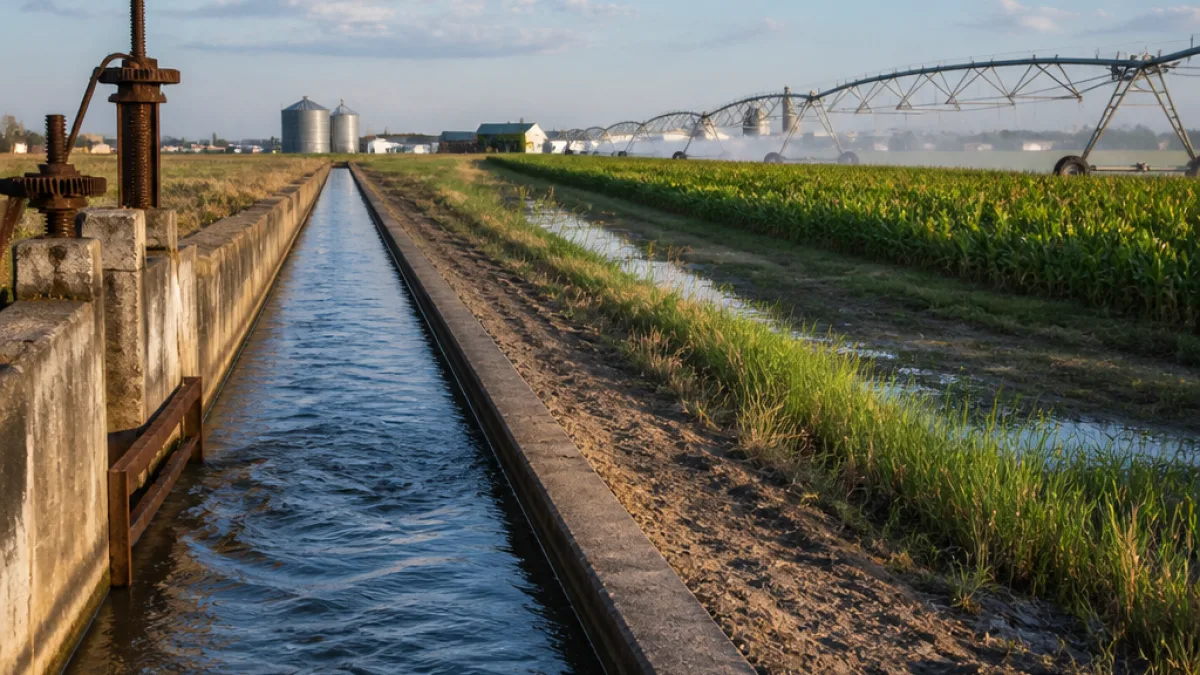
South‑central Nebraska farmers describe surface water from the Central Nebraska Public Power and Irrigation District as indispensable to their operations and to the groundwater that supports them.
Longstanding infrastructure, multiple irrigation methods
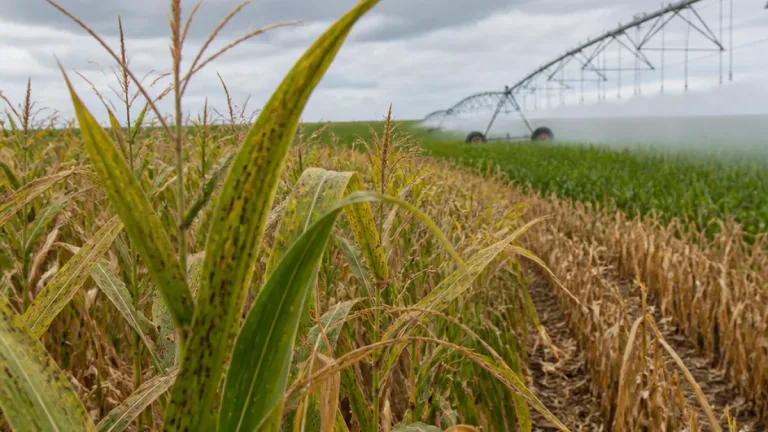
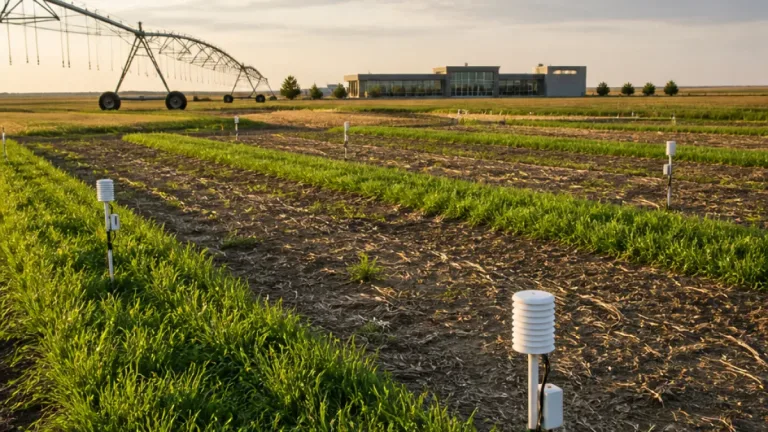
Tom Schwarz, who farms about 2,000 acres in Gosper and Phelps counties, called the district’s deliveries a necessity in a corridor where annual rainfall can drop sharply from one field to the next. Schwarz’s operation includes center pivots, gravity‑flood systems and subsurface drip irrigation, reflecting how surface supplies are routed and used across diverse systems.
CNPPID was developed in the 1930s and 1940s. District canals, laterals and pipelines move surface water into farm systems, and growers say the benefit extends beneath the surface: water that flows through the canals contributes to aquifer recharge that supports groundwater pumping.
“Most of the water in Nebraska is either ground or surface water, and with over 9 million acres of irrigated ground, the two are very connected,” Talon Mues, Nebraska Extension water and cropping systems instructor, said.
Why surface water matters to irrigators
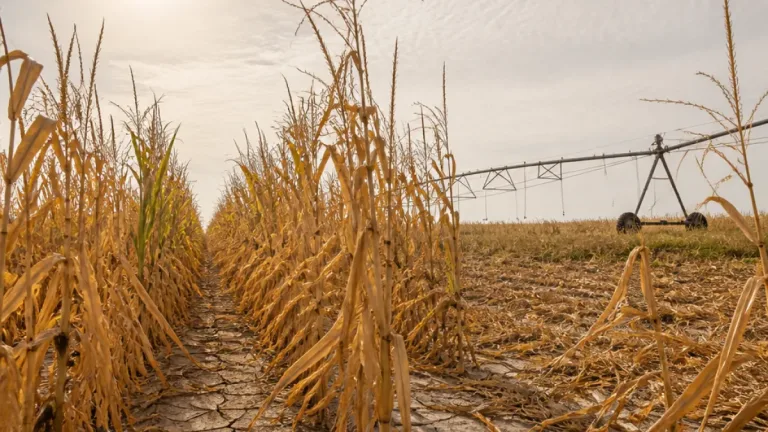
Farmers in the region contrast the reliability that canal deliveries provide with the widely variable rainfall that can make dryland farming marginal in some years. Producers said access to managed surface water supports more consistent cropping choices, allows use of multiple irrigation technologies and plays a role in sustaining nearby groundwater levels.
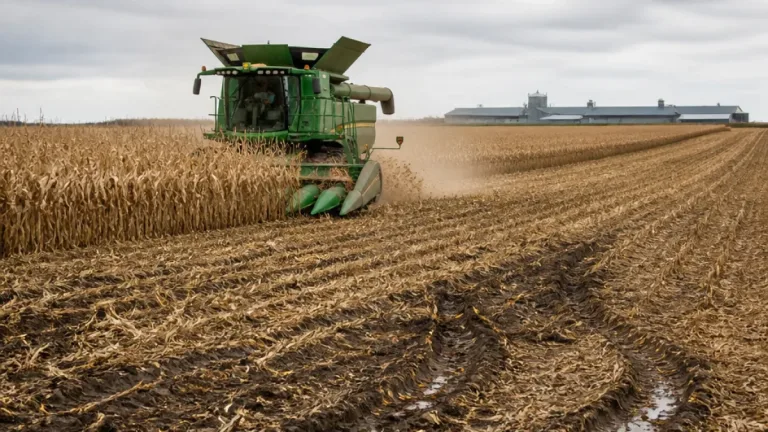
- Farm scale: Local family farms use a mix of pivots, gravity systems and subsurface drip to irrigate corn, soybeans, wheat and specialty crops.
- Infrastructure age: CNPPID’s principal works were built in the 1930s and 1940s, forming a long‑standing network of canals and pipelines.
- Recharge link: Canal flows and surface‑water management are cited by growers and extension staff as factors in recharging groundwater resources relied on by irrigators.
Producers and Extension personnel framed the district’s role not only as delivering water for crops but as part of a broader hydrologic connection between surface supplies and pumped groundwater. That connection informs irrigation choices and long‑term planning on farms that span differing rainfall zones.
Officials with CNPPID and local Natural Resources Districts oversee operations, water rights and management practices that dictate how surface supplies are allocated and delivered. Farmers said those institutional arrangements, combined with physical infrastructure, shape how water moves from rivers and reservoirs into fields and into the subsurface.
Schwarz and other irrigators described water as a shared resource that ties farms, soils and communities together in a region where climate and geography make surface irrigation a central part of agricultural viability.