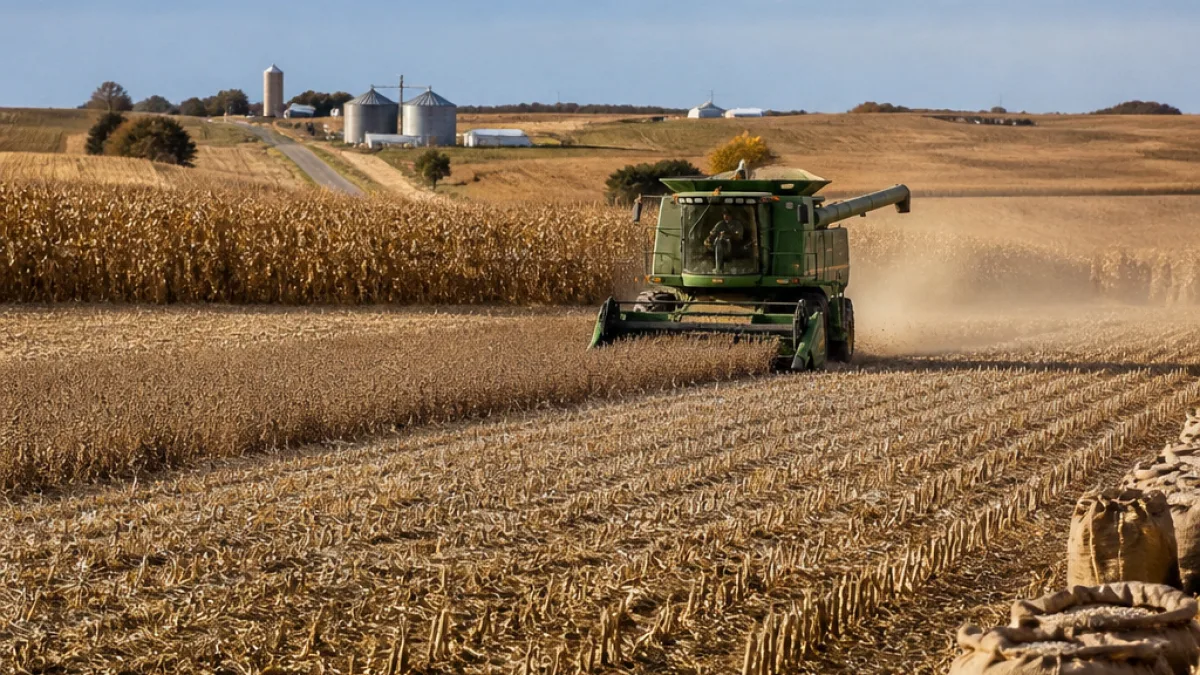
Nebraska farmers reported progress on fall harvest with dry edible beans nearly finished but corn and soybeans running behind their five-year averages, the state’s weekly crop progress update said.
Harvest progress and conditions
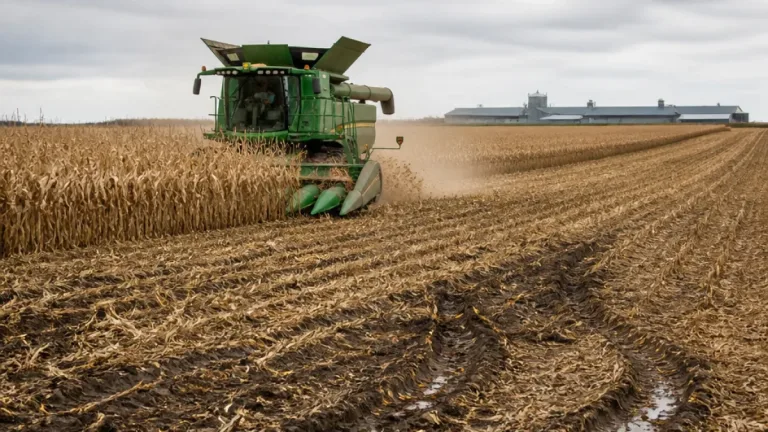
As of Oct. 25, growers had harvested 92% of the state’s dry edible bean crop, slightly ahead of the five-year average, the update said. Corn harvest stood at 55%, trailing the five-year average of 64%, and 75% of soybeans were combined, behind the five-year average of 82%.
- Days suitable for fieldwork: 6.1
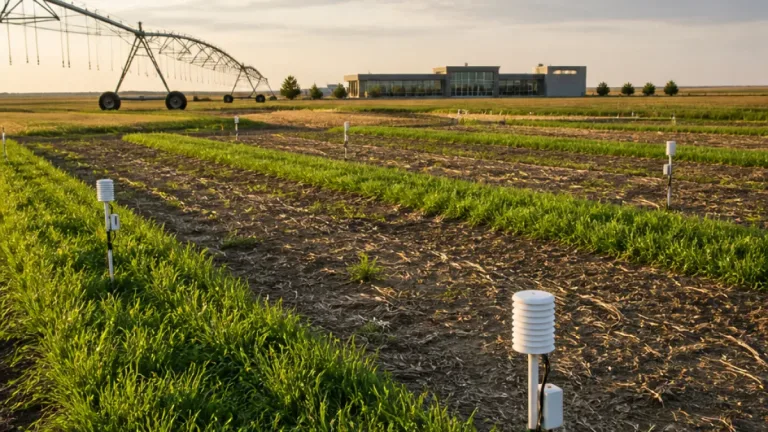
- Topsoil moisture: 7% very short, 18% short, 65% adequate, 10% surplus
- Subsoil moisture: 12% very short, 22% short, 62% adequate, 4% surplus
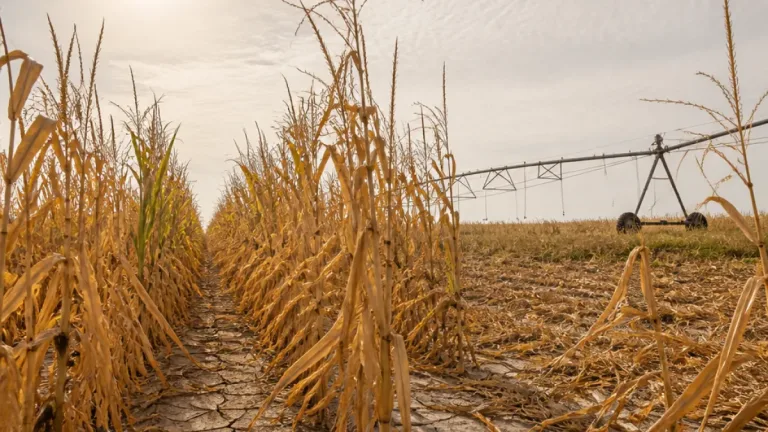
- Corn condition: 7% very poor, 17% poor, 35% fair, 32% good, 9% excellent
Where things stand
Producers continued to make harvest progress during the week, aided by more than six days suitable for fieldwork on average, though the report noted that sorghum harvest remained well behind typical pace. Winter wheat planting was reported as nearly complete, with emergence progressing on schedule.
The moisture summary showed the majority of topsoil and subsoil rated adequate, but measurable shares remained in short or very short categories, underscoring lingering variability across parts of the state.
| Crop | Percent harvested (Oct. 25) | Five-year average |
|---|---|---|
| Dry edible beans | 92% | — |
| Corn | 55% | 64% |
| Soybeans | 75% | 82% |
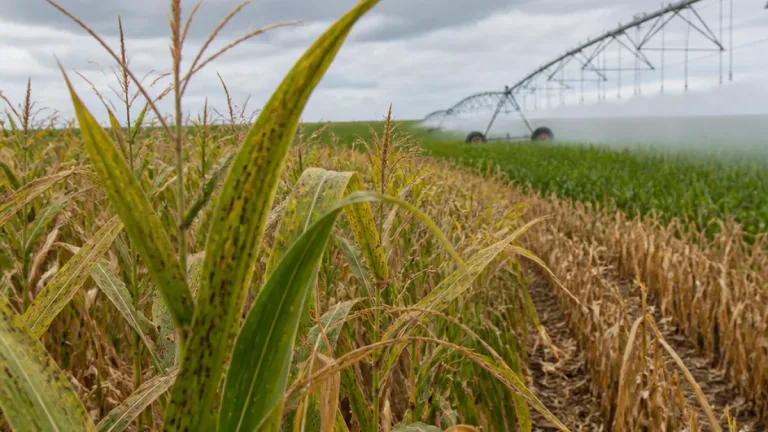
Crop condition ratings for corn showed a broad spread, with 24% rated in very poor or poor categories and 41% rated good or excellent. The update attributed variability in yields and quality across regions, reflecting differing weather and field conditions through the growing season.
Producers and advisors will be watching remaining harvest weeks for further progress and for how late-harvested acres might affect final yield and quality tallies.