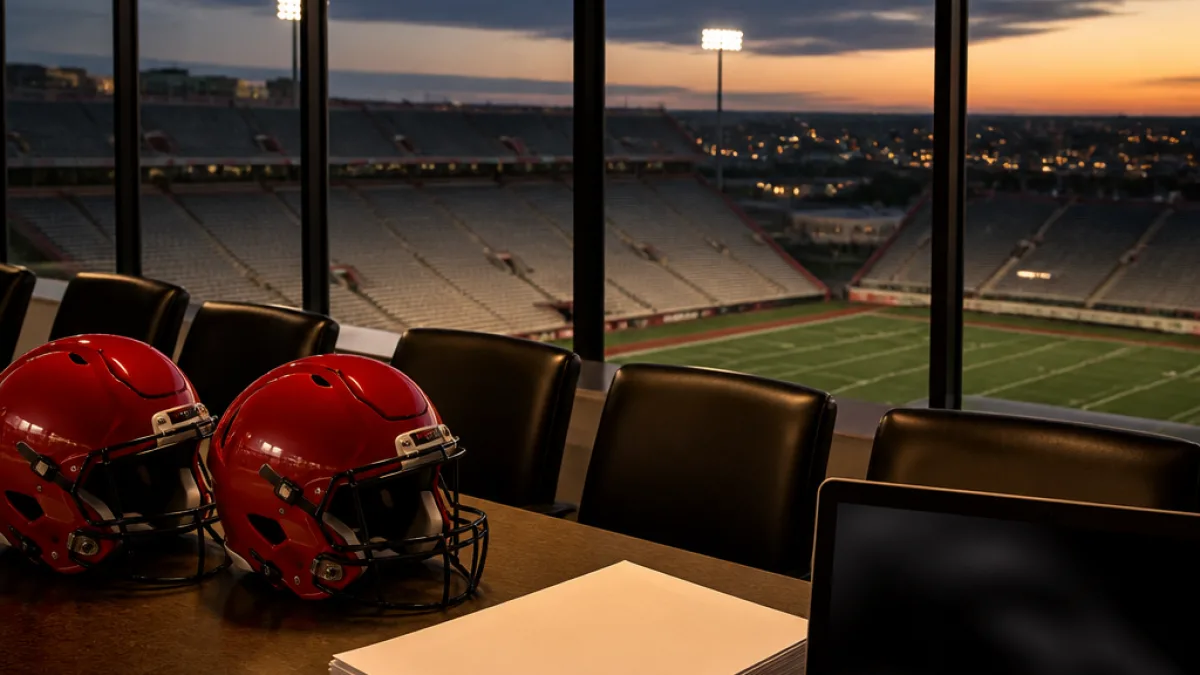
The University of Nebraska is directing increasing amounts of media-rights revenue toward name, image and likeness payments for football players, a shift university officials say is aimed at retaining and recruiting top talent.
What officials say
Kortne Gosha, Nebraska’s deputy athletic director and chief commercial officer, described the approach as a “talent retention and acquisition-first business model,” saying higher spending is a necessary element for the program to compete.
“For some people at some places, they have equated spending to success, and it doesn’t always pencil out that way,” Kortne Gosha said. “However, if you don’t spend, you’re guaranteeing yourself probably to not be successful.”
University officials confirmed they are reallocating dollars from media-rights contracts into NIL arrangements that are not subject to the NCAA’s team-pay cap, allowing additional compensation commonly described as “above-the-cap” money.
Spending levels and rankings
- $21 million — the NCAA cap for direct team pay to athletes this year, as cited by university officials.
- $31 million–$35 million — The Athletic’s recent estimate of Nebraska’s combined direct pay and NIL spending for its football team this season.
- That combined estimate places Nebraska among the top 20 of the 68 major conference programs and sixth among the 18 Big Ten schools, according to The Athletic, though it remains below the reported $50 million-plus totals at some top programs.
The move to funnel media-rights revenue into NIL arrangements mirrors a broader trend across major college programs, where schools seek competitive advantages in the market for high-profile recruits and transfers.
Example from the field
The emerging pay environment is visible off the field as well. On a recent weekend, Husker receiver Jacory Barney Jr. made a paid public appearance at a Lincoln Halloween attraction, signing autographs and posing with fans — an example of the individual NIL income opportunities that coexist alongside team-directed payments.
Athletic department officials framed the changes as a strategic response to a marketplace in which rivals are also expanding compensation packages. They said the university is balancing commercial agreements and roster management while operating under the NCAA’s regulatory framework for direct team pay.
No new state legislation or board action was announced in conjunction with the university’s reported shifts in funding sources.