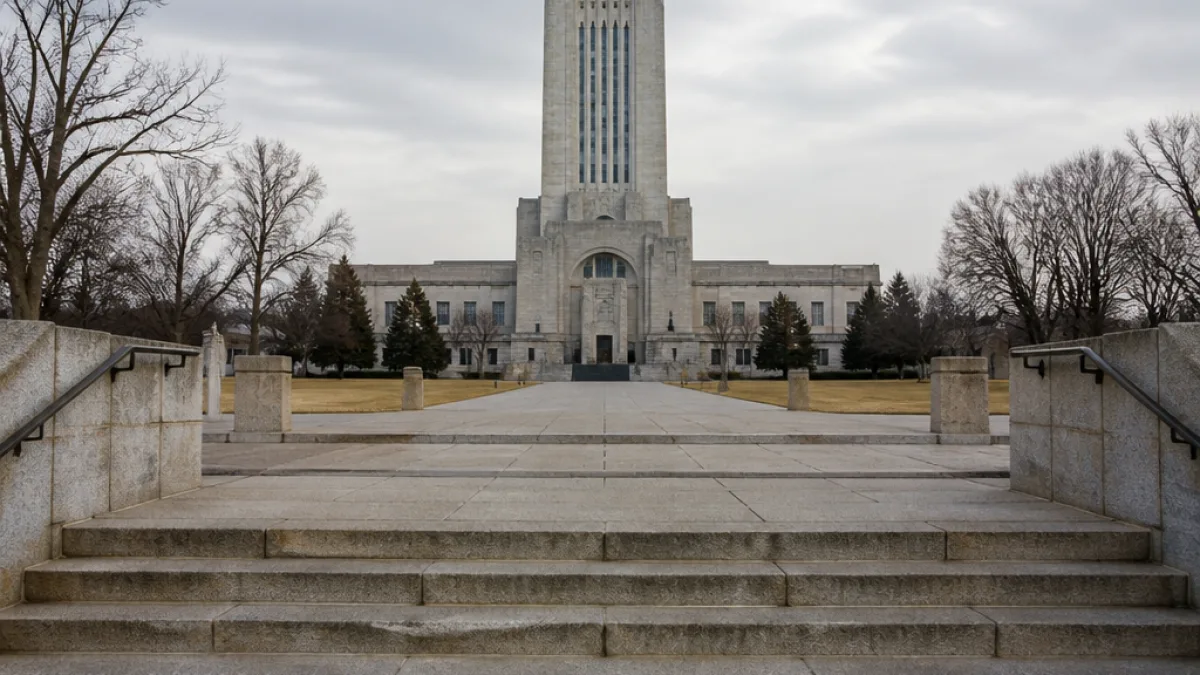
Nebraskans deserve a fair, predictable and sustainable tax system, a commentator writing about the Capitol argues, but cautioned that recent moves to provide property tax relief have not reduced the underlying growth of local property levies.
What the column says
The column, headlined “Storer at the Legislature,” distinguishes between property tax relief — shifting state revenue to reduce what property owners pay — and property tax reform, which the author says must address government costs and the long-term structure of taxation.
The writer highlights Legislative Bill 34, enacted in 2024, which restructured and expanded state property tax credits and imposed new limits on local-government property tax growth. But the piece cites statewide data for 2025 showing property taxes rose 5.39% in the first full year under LB 34, compared with an annualized rate of about 4.3% for 2015-24.
“Let me repeat that: after the state expanded and restructured its property tax relief program, the underlying property tax increased faster than the average before the legislation.” — Storer
The author notes that credits paid from state revenue provide immediate relief to homeowners but do not reduce the total tax burden if state revenues simply replace local levies without controlling spending. The column says schools, counties and communities face cost pressures such as inflation, infrastructure needs and state or federal obligations that can push local levies higher.
Budget context
The commentary also ties property tax debate to the broader state budget outlook, saying the Legislature will face a fiscal gap in the upcoming session and urging policymakers to consider both revenue and spending measures. The column warns that swapping one tax source for another without cost controls could leave Nebraskans with a similar or higher overall tax burden.
- LB 34 restructured property tax credits and set new local-tax limitations beginning in 2025.
- Property taxes statewide rose 5.39% in 2025, the column states; the 2015-24 annualized rate was about 4.3%.
- The piece urges pairing relief with reforms that address government costs to produce a sustainable system.
The column frames the issue as a policy choice for lawmakers: whether to focus on short-term relief through credits or to pursue structural reforms that change how services are funded and how growth in local spending is constrained. It calls for solutions that avoid increasing the total tax burden on Nebraskans while addressing affordability.