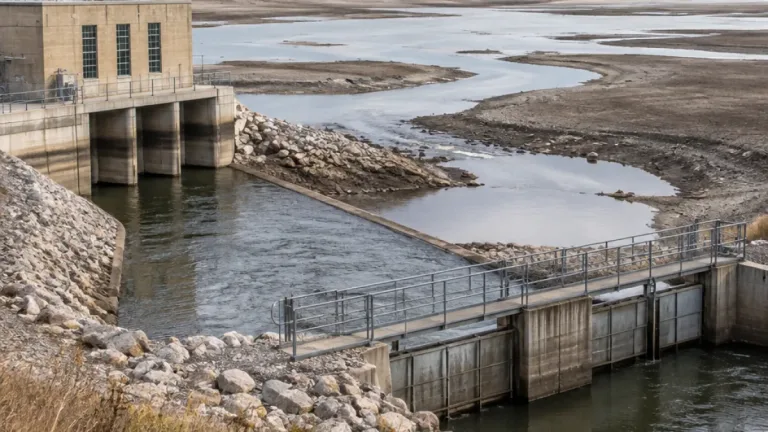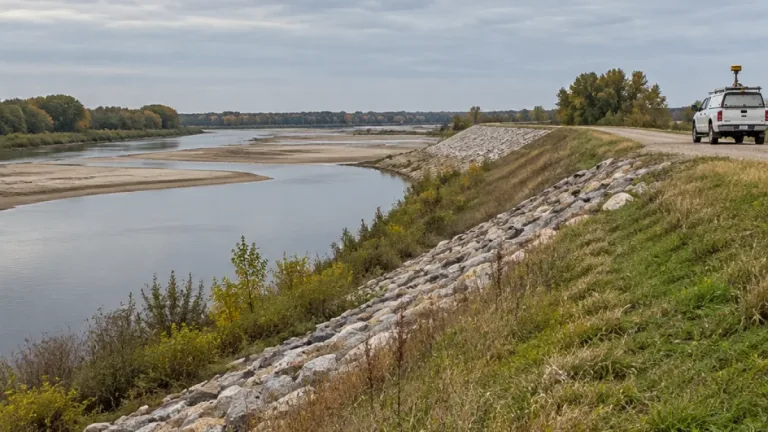
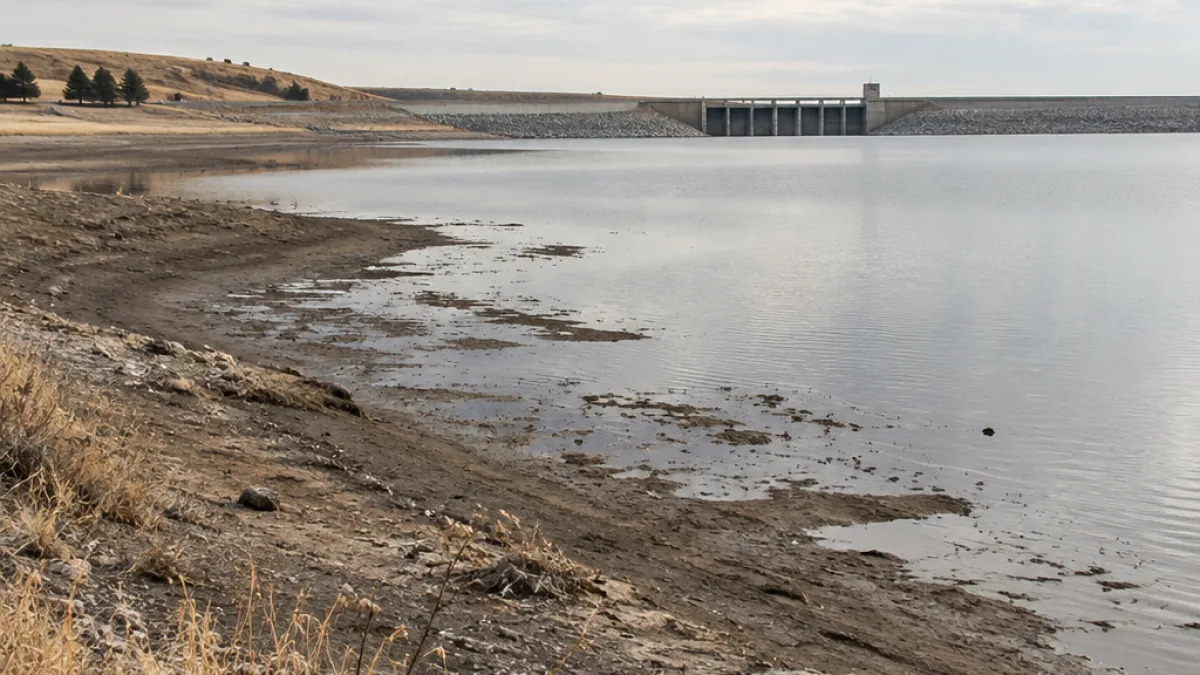
Reservoirs serving Nebraska’s North Platte Valley remained well below capacity Nov. 5 after low mountain snowpack and weak winter and spring runoff left producers with limited irrigation supplies during the 2026 growing season.
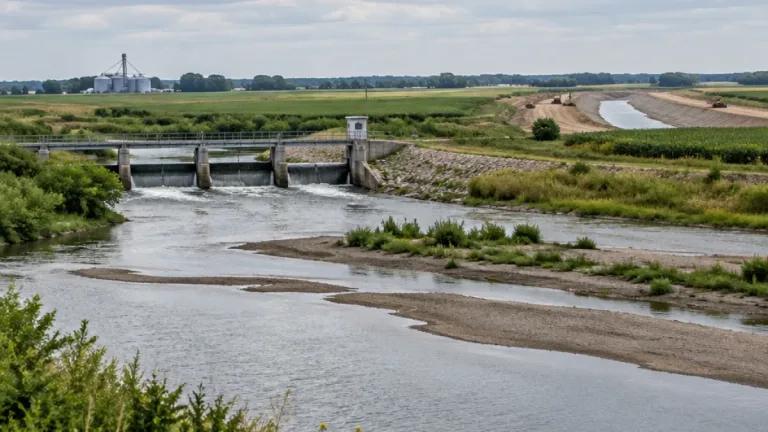
Pathfinder Reservoir, the main irrigation source for the North Platte Valley in Nebraska and eastern Wyoming, held about 197,700 acre-feet, or 18% of its designed capacity. The reservoir is part of the North Platte Project, which provides full-service irrigation water to about 226,000 acres and supplemental water to another 109,000 acres.
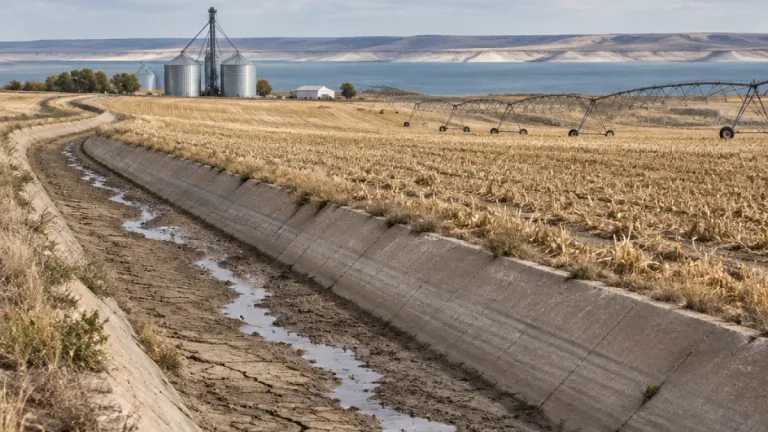
Nebraska Extension Educator Gary Stone said producers in the valley had only about 30 to 40 days of irrigation water available for the 2026 growing season. The supply forced decisions about which crops could be planted and which acres would remain out of production.
Reservoir levels in the upper basin
| Reservoir | Nov. 5 level | Role |
|---|---|---|
| Pathfinder | 18%, about 197,700 acre-feet | Primary irrigation source for the North Platte Valley |
| Seminoe | 21%, about 218,200 acre-feet | Part of the Kendrick Project |
| Glendo | 176,300 acre-feet | Irrigation and flood-control storage |
Seminoe Reservoir, part of Wyoming’s Kendrick Project, was at 21% of capacity, with about 218,200 acre-feet in storage. The project supplies irrigation water to about 24,000 acres in Wyoming.
Glendo Reservoir, part of the Pick-Sloan Project, contained 176,300 acre-feet against a designed storage capacity of 800,000 acre-feet. It can provide as much as 40,000 acre-feet of irrigation water each year for Nebraska and Wyoming and also stores water for flood control.
All three reservoirs provide hydroelectric power in addition to their irrigation functions. The North Platte and South Platte river basins were at 46% and 37% of normal, respectively, on Nov. 5.
Crop choices reflect limited supplies
Some producers placed acres into prevent-plant status during the 2026 season and used sorghum, sudangrass and other annual forage crops that require less water. Where irrigation wells had sufficient water allocations, producers grew corn, sugar beets and edible dry beans, but those planted acres declined overall.
The water year was still early in November, and additional mountain snowfall remained important to the basin’s storage levels. An average annual snowpack runoff is about 800,000 acre-feet, an amount that would be needed to fill Pathfinder Reservoir.
- Pathfinder Reservoir supports irrigation across Nebraska’s North Platte Valley and eastern Wyoming.
- Low storage affected crop decisions during the 2026 growing season.
- Mountain snowpack and runoff will determine how much water enters the basin’s reservoirs during the next cycle.