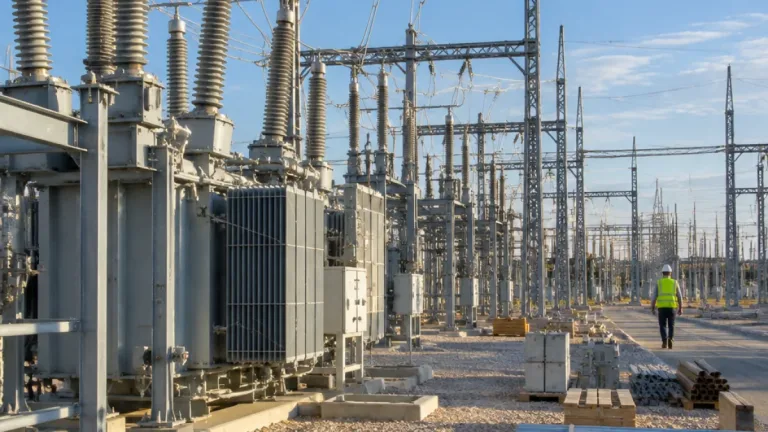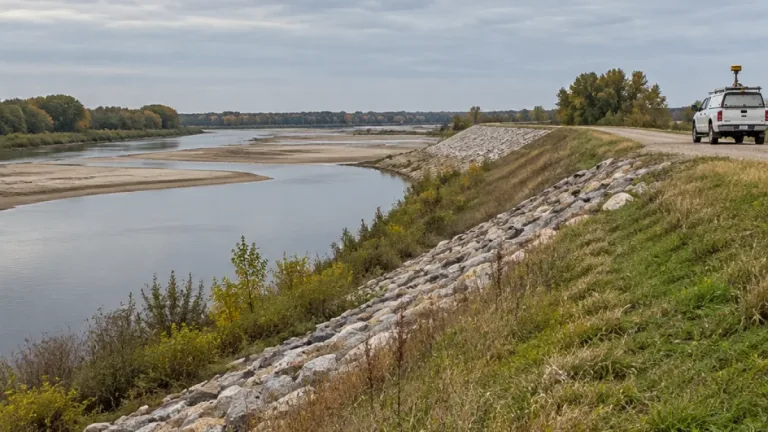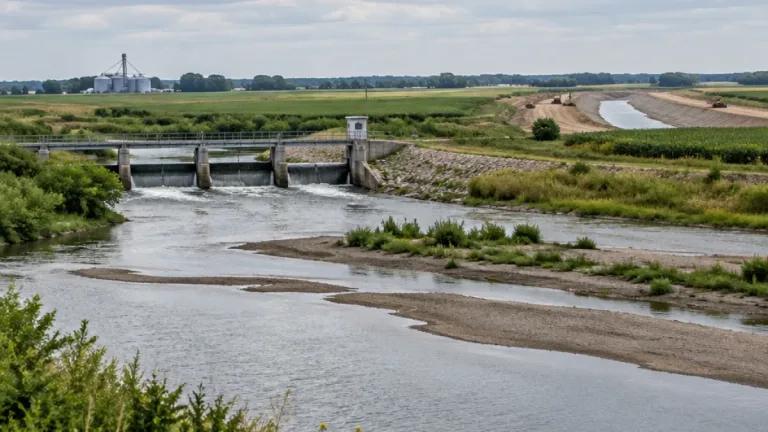
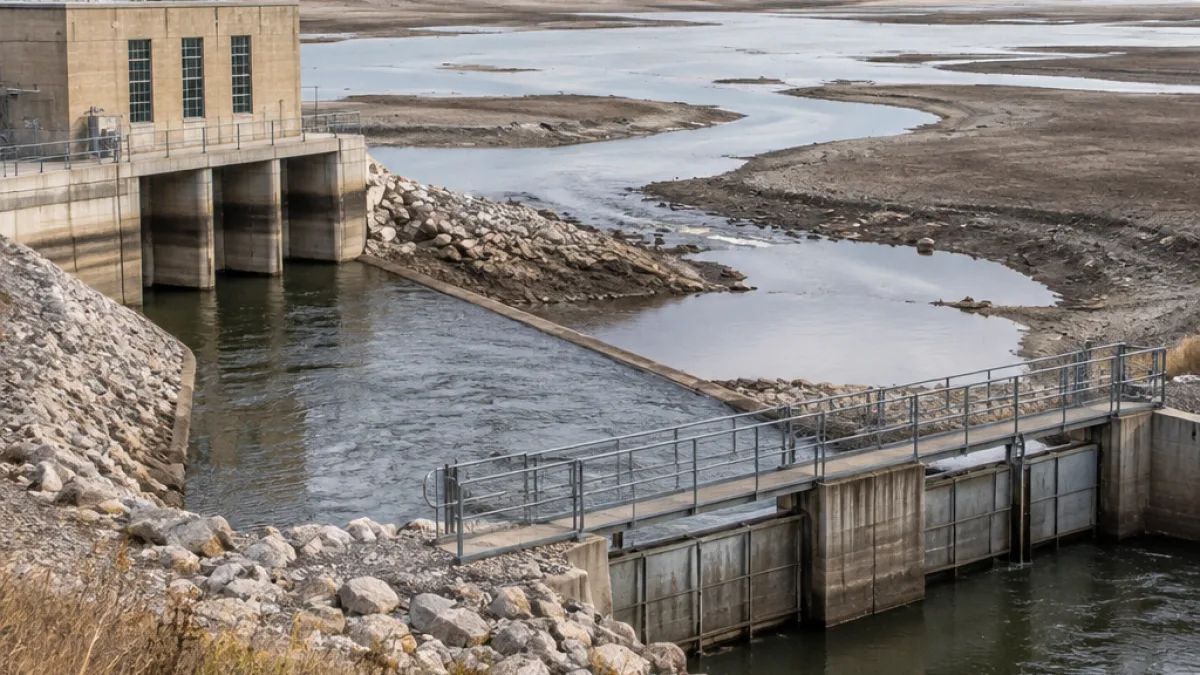
Central Nebraska Public Power and Irrigation District will begin its fall drawdown of Johnson Lake on Nov. 24, with the work intended to support carp removal and allow repairs to a downstream irrigation structure.
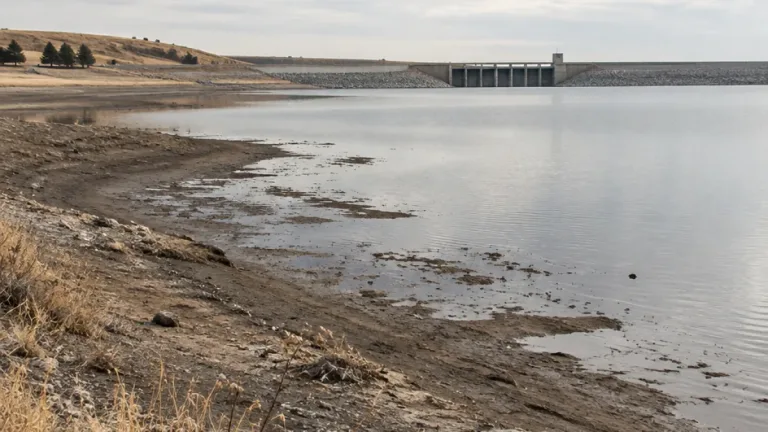
The lake is south of Lexington, and operations at the district’s Johnson No. 2 Hydroplant will lower water levels by about 4 to 5 feet. During that process, the lake’s surface may fluctuate by as much as 2 feet as operators adjust the flow entering the Platte River.
Planned lake operations
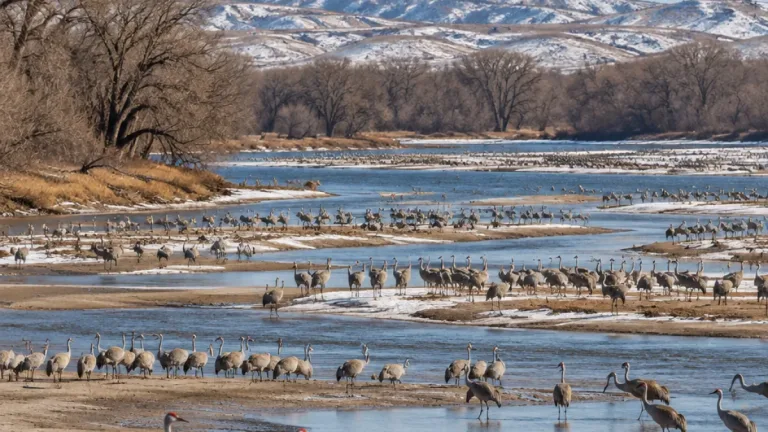
The fall hydrocycling period is conducted under an agreement with the U.S. Fish and Wildlife Service. The district also conducts hydrocycling in the spring. The operation involves changes in water levels and releases at the hydroplant to assist with management of the lake and the river system.
- Hydrocycling begins Nov. 24 at the Johnson No. 2 Hydroplant.
- Johnson Lake levels may be lowered about 4 to 5 feet for carp removal.
- Water levels may vary by as much as 2 feet while flows into the Platte River are adjusted.
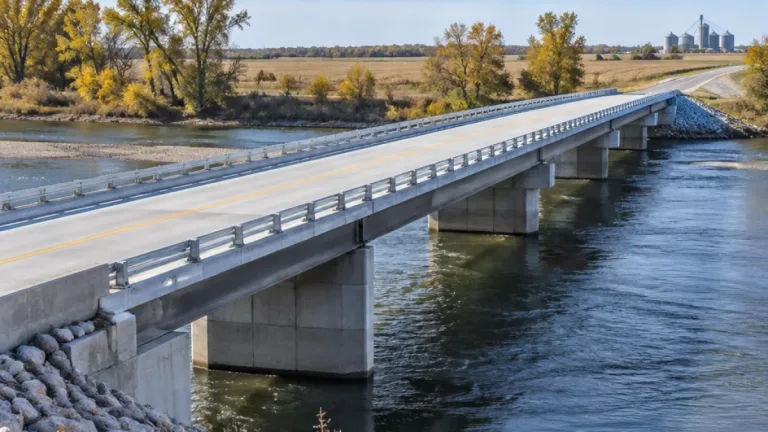
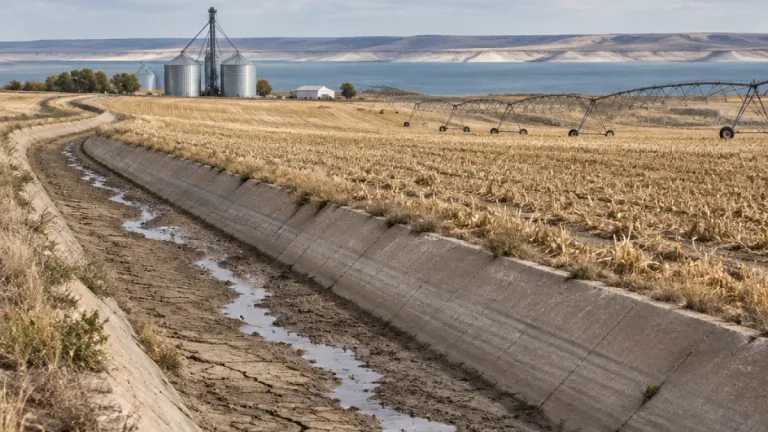
A separate drawdown of about 3 feet is planned around Thanksgiving weekend. That reduction will allow the district to replace the Phelps Canal head gate downstream of the Johnson No. 2 plant.
The head gate is part of the canal system serving the district’s water operations. The planned work will occur while the lake is already being managed at lower levels for the fall hydrocycling period.
Return to normal levels
Central Nebraska Public Power and Irrigation District expects Johnson Lake to return to normal operating levels by mid-December. The district has posted additional information about Johnson Lake operations and hydrocycling on its website.
The district operates water and power facilities in central Nebraska, including the Johnson No. 2 Hydroplant. Its fall schedule affects the lake, the Platte River and the irrigation infrastructure connected to Johnson Lake.