Officials leading a regional effort to reverse population loss in northeastern Nebraska on Monday highlighted education and workforce strategies they say are helping retain younger residents.
Collaboration cited as central to progress
Angie Stenger, director of the Northeast Nebraska Growing Together Initiative, told local leaders that the work, launched in 2018, depends on cooperation among businesses, elected officials, educators and residents.
“This is not a one-person effort. It’s a collaborative effort from everyone in the community.” — Angie Stenger, Northeast Nebraska Growing Together Initiative
Stenger said the initiative grew from conversations with the Aksarben Foundation, which was studying workforce needs across Nebraska. The region’s demographic trends have shown declines in young adults while older age groups expanded, she said.
School enrollment, community college and migration trends
Data presented to the group showed Madison County lost residents through net migration between 2000 and 2010, with notable declines among people ages 20-24 and 25-35. Neighboring counties, including Pierce County, saw similar drops in those age groups.
- Officials noted an increase in residents ages 15-19, a trend Stenger linked to the presence of Northeast Community College.
- Population growth comparisons cited Norfolk adding an average of 26 residents per year over a seven-year span, contrasted with larger gains in cities such as Kearney and North Platte.
- Rural school enrollment issues remain a concern: counties such as Antelope, Boyd and Cedar recorded steady declines in high school enrollment, contributing to a 33% drop in rural enrollment between 1997 and 2017, the presentation said.
Stenger pointed to research from the National 4-H Council that ranks Knox and Cedar counties among the top 10% of U.S. counties for youth economic mobility. She said smaller schools can offer broader opportunities for students to participate in activities, receive support and explore career pathways.
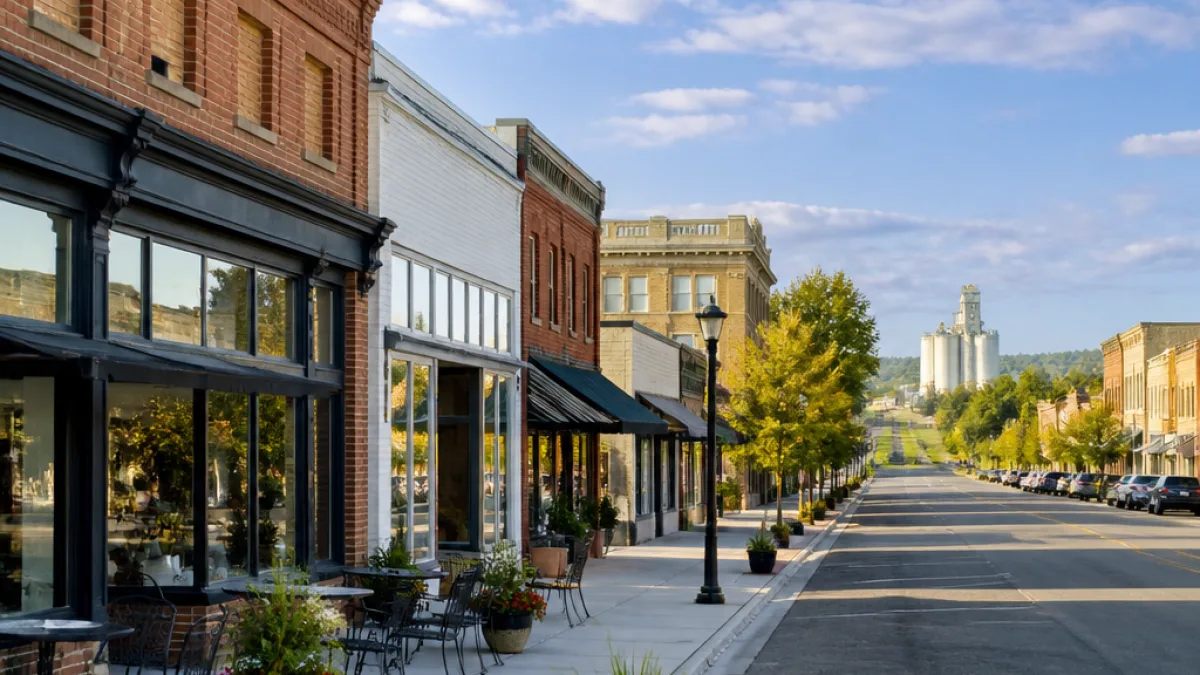
Stenger framed those local advantages as part of a larger strategy that also includes downtown revitalization, investments in arts and culture, and expanded workforce development efforts intended to make the region more attractive for young families and workers.
The Growing Together Initiative, which began in 2018, continues to coordinate community-based projects and partnerships aimed at stemming outmigration and addressing workforce needs identified in regional planning discussions.