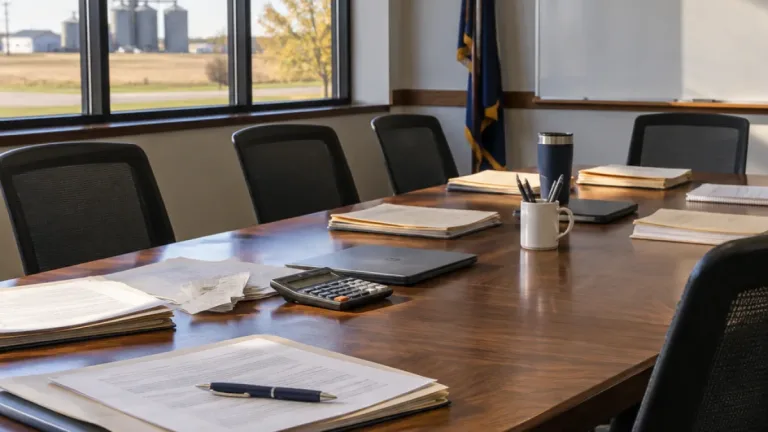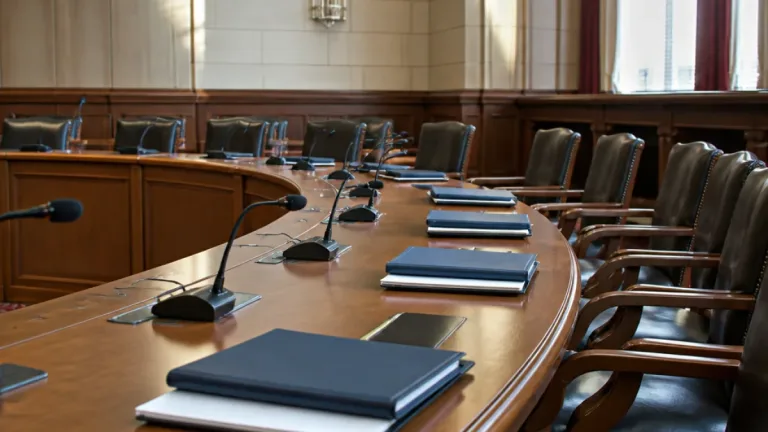
Nebraska’s public schools operate under decisions made at three levels: the Nebraska Legislature, the State Board of Education and locally elected school boards. The Nebraska Constitution and state statutes establish the roles of the Legislature and the state board, while local districts carry out the work in their communities.
The overlapping responsibilities can be especially demanding for small rural districts. At Chambers Public School, Superintendent and K-6 Principal Frank Jesse said the district must keep pace with state and federal laws and academic standards while serving a small community.
One example is a financial literacy requirement passed by the Legislature in 2021. Jesse said requirements adopted outside the district can add to the work of administrators and teachers who are already managing the daily needs of a small school.
“Sometimes I think they overstep by taking away that local control of our school board, our local school board, who's been elected by the patrons of the Chambers community, to say this is what we believe our students in Chambers need to be proficient in to graduate,” Jesse said.
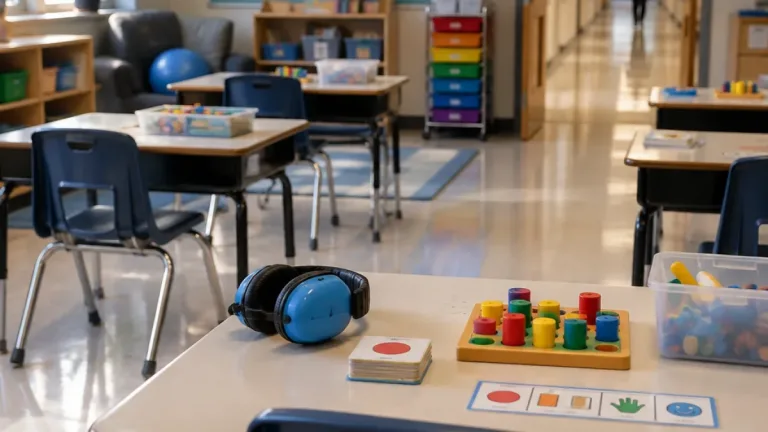
Jesse said Chambers Public School has continued meeting the requirements. The school serves younger students who played indoor recess games in the gym on a rainy October day, middle school students who ate lunch in the building and high school students enrolled in classes including agriculture and band.
Three levels of education policy
The state’s education system places different public bodies in the same policy framework:
- The Legislature passes laws that can establish requirements for schools and students.
- The State Board of Education has responsibilities set out in the Nebraska Constitution and state statutes.
- Local school boards are elected by residents and make decisions for their districts and communities.
Those responsibilities can overlap when statewide requirements affect what local schools teach. The result is a continuing question for districts such as Chambers: how to follow state and federal standards while preserving decisions that local board members and residents believe fit their students.
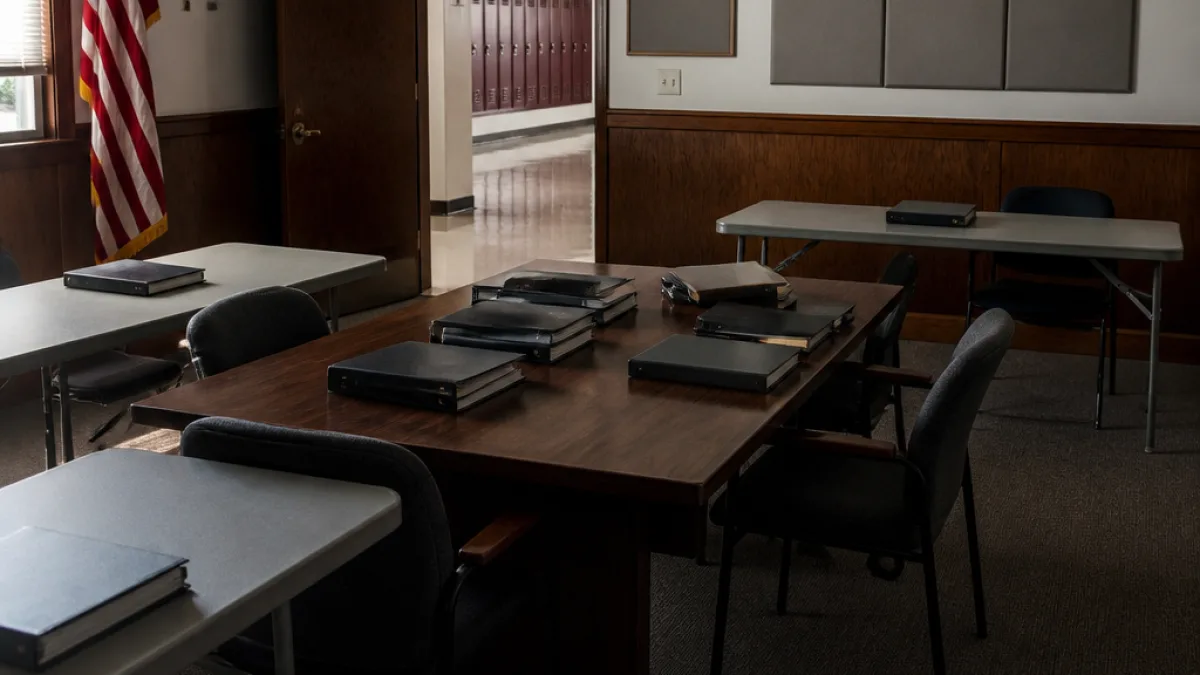
Jesse described that balance as difficult but manageable. The school’s classrooms and hallways reflect the range of programs a rural district must operate, from agriculture and band for high school students to elementary and middle school instruction. For administrators, the policy challenge is connecting those local programs with requirements created beyond the district.
The relationship among the Legislature, State Board of Education and local school boards remains central to how Nebraska students are taught. Their respective authority is defined through the state Constitution and statutes, while school leaders such as Jesse are responsible for putting those policies into practice in individual communities.