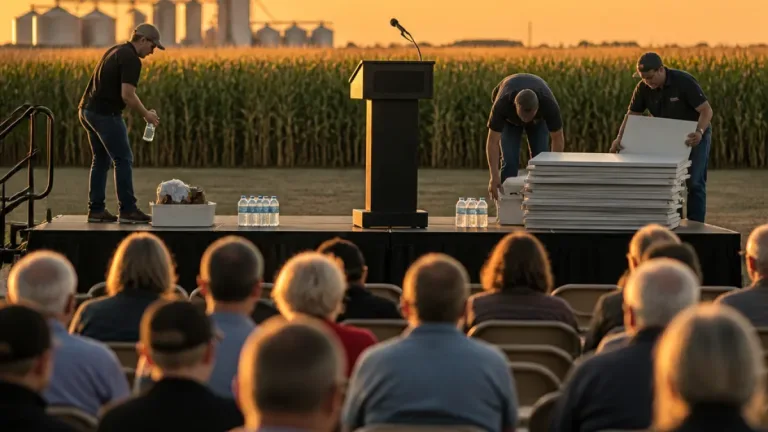
An independent U.S. Senate bid in Nebraska has drawn fresh attention as Democrats and some voters weigh whether nonpartisan campaigns can alter closely contested Senate maps this fall. Dan Osborn, a 51-year-old Navy veteran who is running as an independent, is among several nonmajor-party contenders in states President Trump carried in 2024, and his campaign is getting notice in rural Nebraska communities that lack a Democratic nominee.
Local reaction in the Sandhills
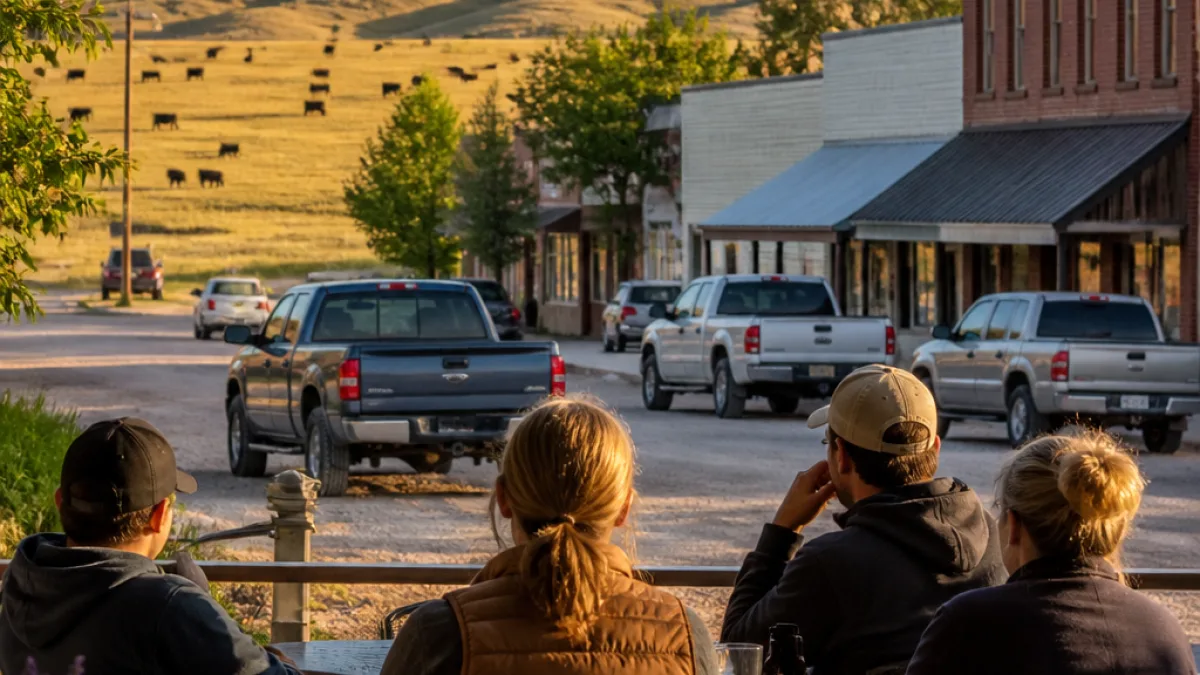
In Burwell and elsewhere across the Sandhills, ranchers and small-town voters described anxiety about recent national policy shifts and said an independent candidacy offered a new option. At Morgan Ranch, a 15,000-acre operation home to about 1,000 head of cattle, owner Dan Morgan said the past two years have brought significant changes that have affected costs and export markets.
“To raise a piece of meat takes me three years. Well, look at the changes in the past two years: costs, tariffs, reciprocal tariffs because half of our business is export — it's just hell,” said Dan Morgan.
Morgan identified as a Democrat and said he is motivated by concerns about federal policy on trade and agriculture. He said he is optimistic about Osborn’s pitch to represent working families, noting the absence of a Democratic candidate in the Nebraska Senate race this year.
Democratic strategy and coalition hopes
Jane Kleeb, chair of the Nebraska Democratic Party, said the party remains focused on building winning coalitions even when voters back independent candidates in particular contests. “I'm a partisan Democrat. I believe in the Democratic Party. I also believe in building coalitions so we can win elections and then do the work of the people,” Kleeb said, according to reporting in this account.
Nationally, Democrats have highlighted independent campaigns in several Western states — including Nebraska and Montana — as potentially helpful to the party’s effort to recapture the Senate. Those arguments rely on the premise that independent candidacies could attract voters who are dissatisfied with both major parties, especially in areas where the Democratic brand is weak.
Race context and next steps
Osborn is one of four independents running for U.S. Senate this cycle in states that President Trump won handily in 2024, including Idaho, South Dakota and Montana. Coverage of his campaign shows local voters responding to national issues such as inflation, trade and agricultural policy, and suggests Democrats are watching independent campaigns as part of a broader strategy to contest Senate control.
- Osborn is running as an independent for U.S. Senate in Nebraska and has drawn local attention in rural counties such as those in the Sandhills.
- Jane Kleeb, chair of the Nebraska Democratic Party, said the party supports coalition-building that could include independents in some races.
- Voters in agricultural areas cited costs, tariffs and export uncertainty as key concerns shaping their views of federal policy and candidates.
With the general election on Nov. 3, 2026, campaigns and party officials will continue outreach in rural and suburban areas where independent candidacies may change vote dynamics. Osborn’s campaign events and voter engagement over the next week will be among the immediate indicators of his standing in Nebraska’s wide-ranging electorate.