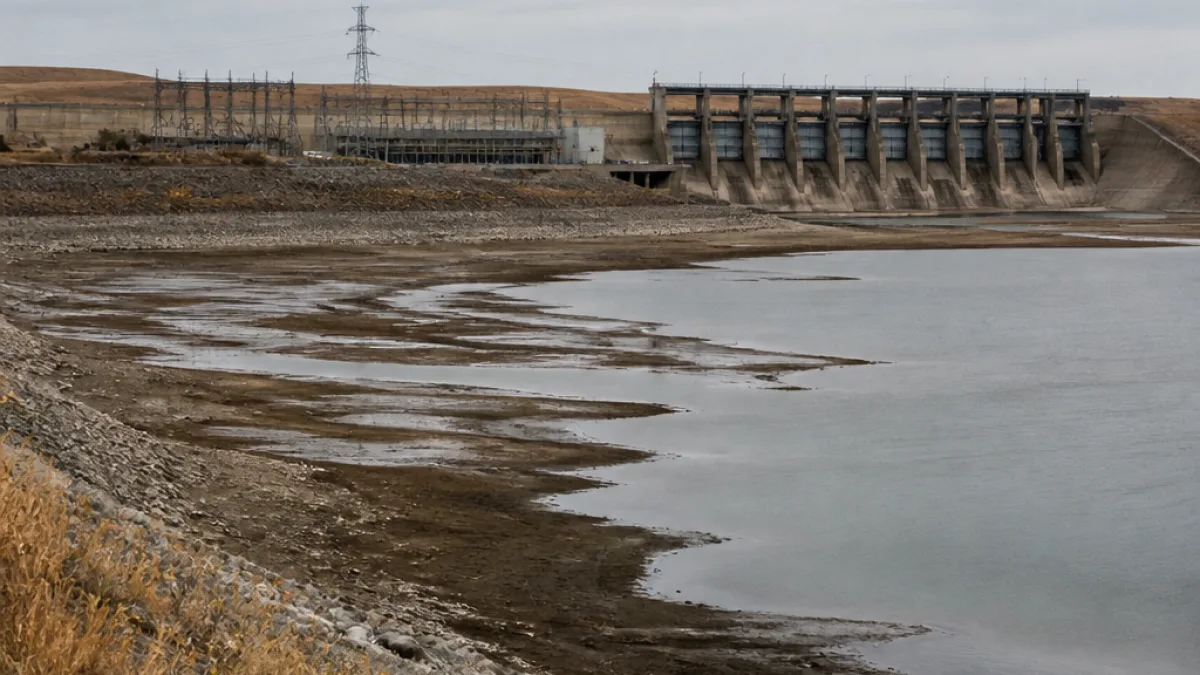
Lincoln County voters will choose a member of the Central Nebraska Public Power and Irrigation District board on Tuesday, Nov. 3, in a race shaped by the low level of Lake McConaughy and the district’s long-term water infrastructure plans.
Incumbent Kyle Shepard is seeking a second six-year term against Greg Wilke, the chair of the North Platte Community Redevelopment Authority and a former chair of the North Platte Planning Commission. Shepard was first elected to the board in 2020 and currently serves as its chair.
Wilke said his decision to run followed his study of the board’s operations. He said he would bring experience in finance and collaboration and would seek changes in how the board handles its budget and assigns responsibilities to district executives and employees.
“My main goal is maybe having the board look at some things differently and their responsibilities.” — Greg Wilke
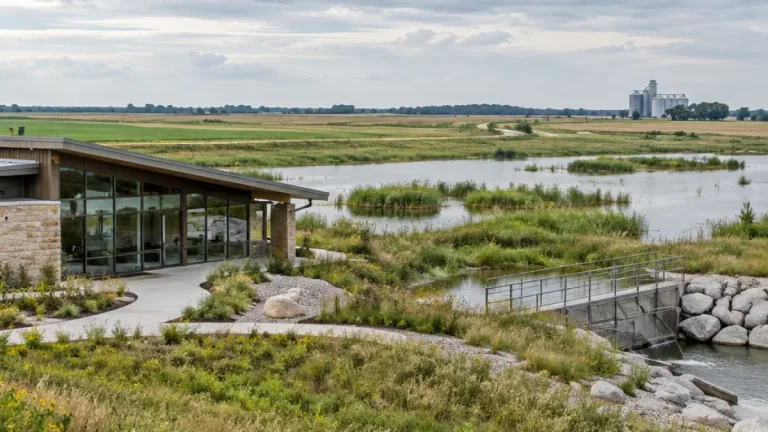
Water management at Lake McConaughy is a central issue for both candidates. The lake, formed by Kingsley Dam on the North Platte River, is part of the district’s system for managing water and producing electricity. The candidates said cooperation among Nebraska water users and state, local and federal partners will be needed as the reservoir remains at a low elevation.
Wilke said Nebraska water users should first try to reach an agreement that would reduce releases from the lake before taking that proposal to federal regulators. He described that approach as an immediate conservation step involving stakeholders across the state.
“I think you take immediate action, and you bring the Nebraska stakeholders together to see if you can agree upon a conservation plan to release less water.” — Greg Wilke
Projects before the board
Shepard pointed to the district’s Colors of Water tool, which shows where water from Lake McConaughy goes. He said drought, reduced snowpack and increased water use upstream of the lake are the largest factors contributing to the low levels. He also said the district should continue working with federal partners on requirements governing water releases.
- Lake McConaughy: Low water levels are a major concern in the board race.
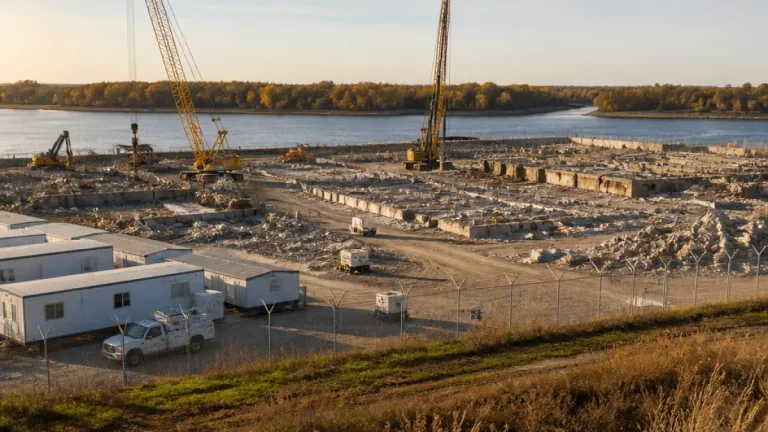
- Kingsley Dam: Shepard said he hopes repairs can be financed and completed during the next six years.
- Perkins County Canal: Shepard said construction could begin during that period, with the project intended to secure Nebraska’s water rights into the future.
Shepard said the district could have a clearer picture of those projects over the next six years. The race will determine who holds the Lincoln County seat as the district continues addressing reservoir operations, dam repairs and the proposed canal.