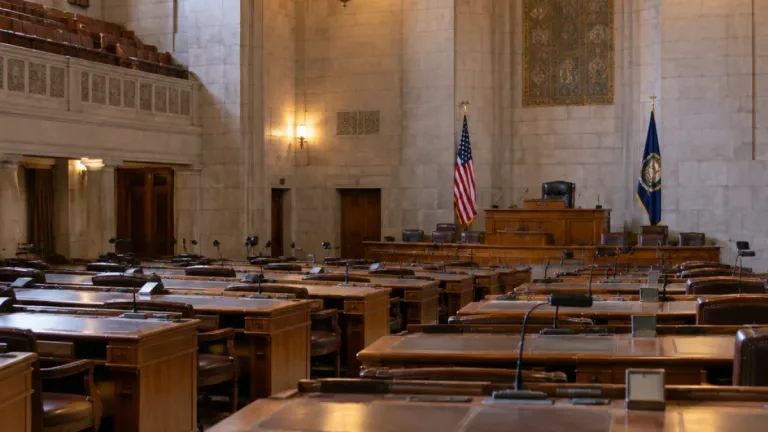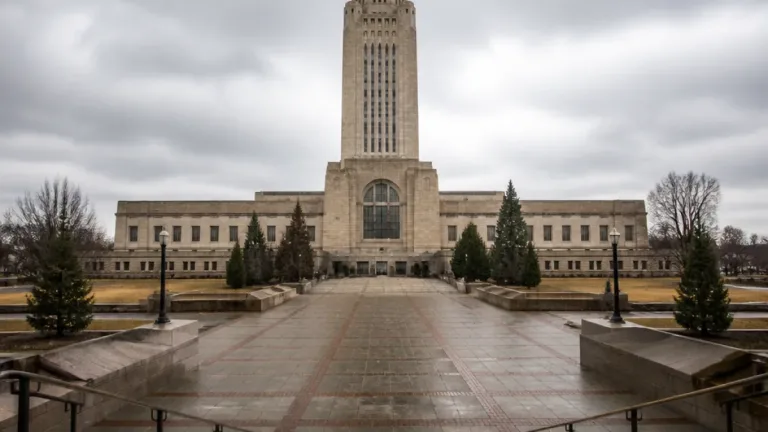

The Nebraska Legislature’s Health and Human Services Committee examined the state’s plan to move some youth in its care to other facilities Monday while reviewing the sexual abuse allegations that have drawn scrutiny to the Youth Rehabilitation and Treatment Center in Kearney.
State Sen. John Fredrickson introduced the interim study focused on the needs of young people who may move to or from a youth rehabilitation and treatment center, an adult correctional facility or a residential treatment facility. The study also addressed services and placement decisions for youth affected by the changes.
“We need to identify the needs of youth moving and transitioning to and from a youth rehabilitation and treatment center, an adult correctional facility or a residential treatment facility. Any decisions made about their placement location services must be in the best interest of the children in those facilities.”
— State Sen. John Fredrickson
Critics of the transfer plan told lawmakers that moving youth could reduce their access to education, therapy and behavioral support. Lauren Micek Vargas of Education Rights Counsel said some youth require specialized instruction and other services that the state is legally required to provide.
“Many need specialized instruction, behavioral support, therapy, and the state is legally required to provide those. A computer program cannot replace a qualified teacher. A transfer cannot justify losing essential services, and a student placement should never determine whether or not they receive the education the law requires.”
— Lauren Micek Vargas, Education Rights Counsel
Abuse allegations under review
The proposed transfers come after a series of sexual abuse scandals at YRTC-Kearney. The inspector general for Nebraska Child Welfare’s office reported during the summer that it had been notified of 44 sexual abuse allegations involving 19 individual staff members.
Dr. Alyssa Bish, director of the Department of Health and Human Services division of Children and Family Services, told lawmakers that the facility has a new administrator and has adopted a no-touch policy. The policy prohibits physical contact, including high fives, as the facility works to establish expectations for staff conduct and treatment of youth.
State leaders have said the planned transfers would better serve the youth and save the state money. The committee’s interim study is focused on the placement process, the services available to youth during transitions and the state’s obligations to provide education and other support.
- 44 sexual abuse allegations were reported to the inspector general’s office.
- The allegations involved 19 individual staff members, according to the summer report.
- The committee reviewed placements involving youth rehabilitation, adult correctional and residential treatment facilities.