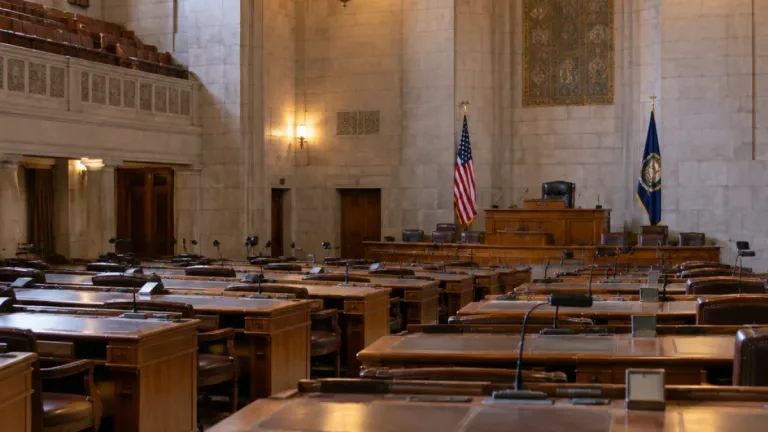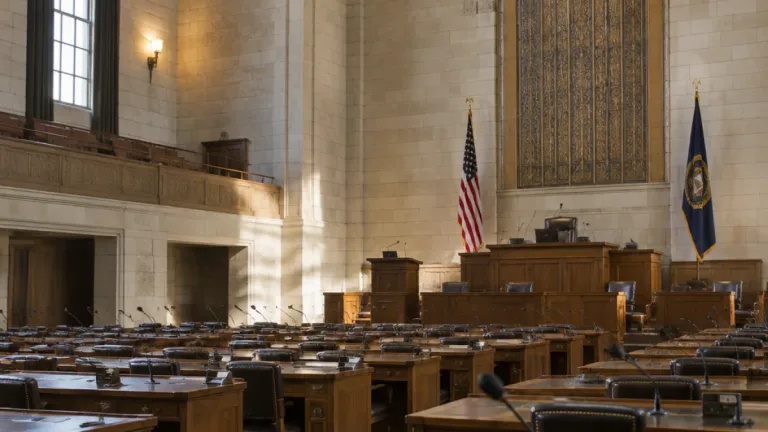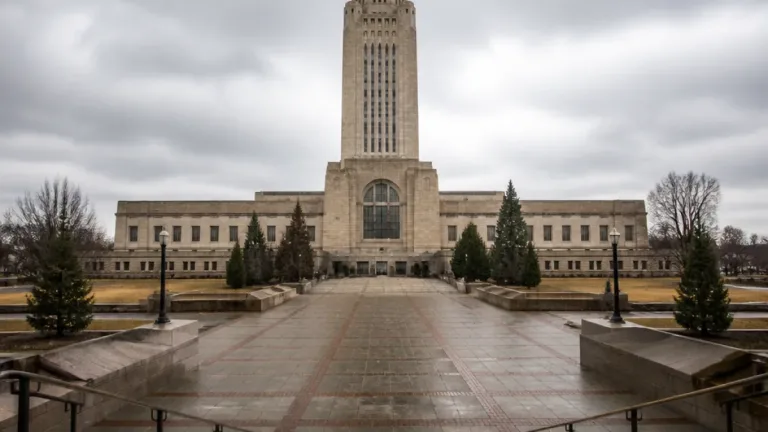
Nebraska’s minimum wage will increase by 26 cents on Jan. 1, 2027, under a law passed by the Nebraska Legislature and signed by Gov. Jim Pillen earlier this year.
The hourly wage will rise from $15 to $15.26. The change is the first adjustment under Legislative Bill 258, which replaced the state’s inflation-based wage increases with a fixed annual increase of 1.75%.
Law changes voter-approved formula
Nebraska voters approved a 2022 law that established a series of annual minimum-wage increases tied to inflation. Before LB 258 was enacted, that formula was expected to raise the minimum wage to $15.55 for 2027.
LB 258 changed the calculation before that increase took effect. Pillen signed the bill into law in February 2026, setting the 2027 adjustment at the fixed rate instead of using the inflation-based formula.
- The current Nebraska minimum wage is $15 per hour.
- The 2027 wage under LB 258 will be $15.26 per hour.
- The prior formula was expected to produce a 2027 wage of $15.55 per hour.
Difference for full-time workers
The difference between the new wage and the amount expected under the previous formula is 29 cents per hour. For a person working 40 hours a week for 52 weeks, that amounts to nearly $600 less per year before taxes than the worker would have earned at $15.55 per hour.
The adjustment applies to hourly workers covered by Nebraska’s minimum-wage law. The change comes as the state prepares for the 2027 legislative session, but LB 258 already establishes the method used for the upcoming increase.
Other states also set increases
Nebraska is among 16 states expected to increase their minimum wages in 2027. The listed wages in those states range from $11.20 in Montana to $17.73 in Washington. Other states included in the comparison are Connecticut, California, Rhode Island, New Jersey, Arizona, Colorado, Maine, Michigan, Virginia, Minnesota and Ohio.
South Dakota’s minimum wage is listed at $11.85 before its next adjustment and is expected to rise to $12.30. Its increase is tied to the Consumer Price Index rather than a fixed percentage. The Bureau of Labor Statistics reported an average cost-of-living increase of 3.7% for the calculation cited.