Nebraska bean growers are facing fewer institutional buyers after reductions in U.S. food-assistance programs that purchase American-grown commodities for overseas distribution. The change has added pressure to producers already dealing with drought, high fuel and fertilizer costs and weaker markets for surplus crops.
Jim Darnell, a 77-year-old western Nebraska farmer whose family has grown beans for three generations, said the outlook for his operation remains difficult. The loss of government demand has affected both farmers and crop elevators that handled commodities destined for international food programs.
“It’ll be a difficult time in farming for the next year.” — Jim Darnell
Darnell said the reduced demand has affected bean prices because food-aid programs had served as an end user for the crop. He also said he supports programs that provide American agricultural products to people facing hunger overseas, describing beans as a practical food because they contain protein and can be stored for long periods.
Funding and commodity purchases
The Food for Peace program, created in the 1950s, has helped provide food to more than 4 billion people, according to the U.S. State Department. The program purchases agricultural commodities from U.S. producers before sending them to communities experiencing food shortages in other countries.
- Congress reduced annual Food for Peace funding from about $1.62 billion to $1.2 billion for fiscal year 2026.
- USDA spending on food-aid commodities in 2025 and 2026 was about 55% lower than in 2024, according to an analysis by the Center for Global Development.
- The White House initially proposed eliminating funding for Food for Peace and the McGovern-Dole International Food for Education program.
Cathy Kaufman, whose family has raised beans and corn for five generations, said Nebraska producers have traditionally viewed food assistance as both a market for crops and a way to contribute to food security abroad.
“That’s a win-win for everybody.” — Cathy Kaufman
Jocilyn Estes, a senior policy analyst at the Center for Global Development, said Congress has continued to support food commodity programs. Historically, Estes said, those programs have received bipartisan backing.
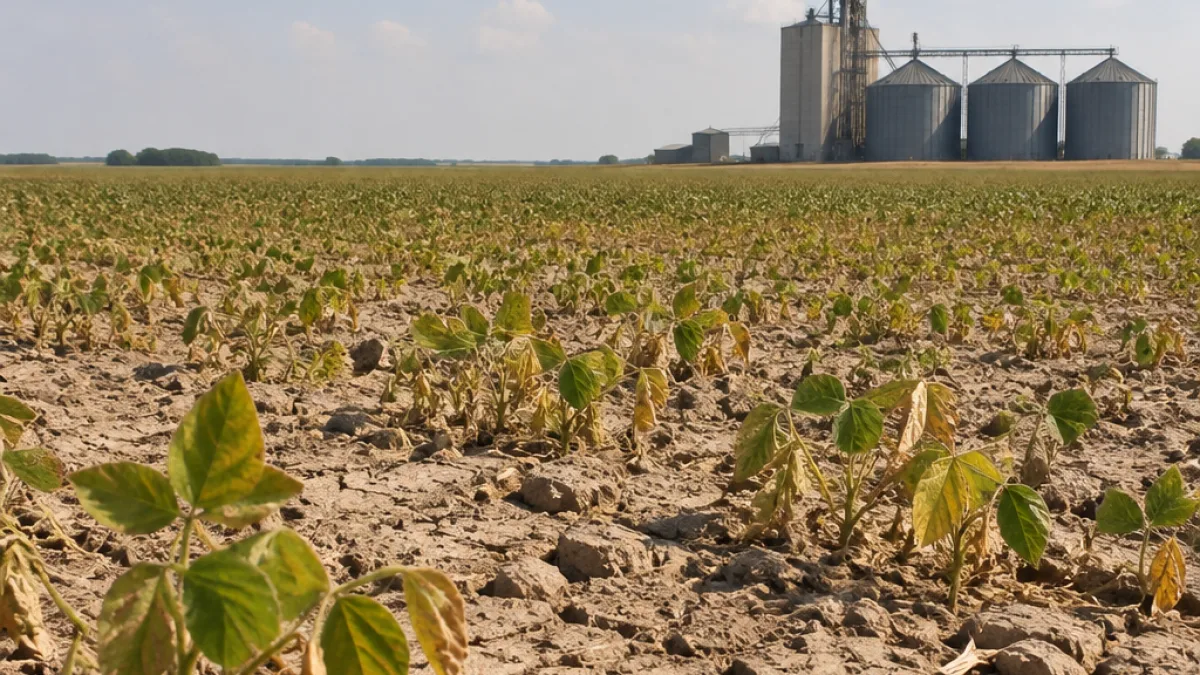
The reductions have come as western Nebraska producers contend with several financial pressures at once. Drought has affected growing conditions, while fuel and fertilizer expenses have increased production costs. The loss of institutional demand has narrowed the number of buyers available for beans and other crops grown for food-assistance programs.