Nebraska net farm income is projected to reach $9.4 billion in 2026, a 16% increase from 2025, as cattle receipts and government payments offset continuing pressure from production costs, agricultural economists said in the Fall 2026 Farm Income Outlook for Nebraska.
The outlook was prepared by the University of Nebraska-Lincoln’s Center for Agricultural Profitability and the University of Missouri’s Rural and Farm Finance Policy Analysis Center. It is a statewide aggregate projection, so results for individual farms and ranches will depend on their commodities, yields, prices and financial positions.
Cattle receipts lead the projection
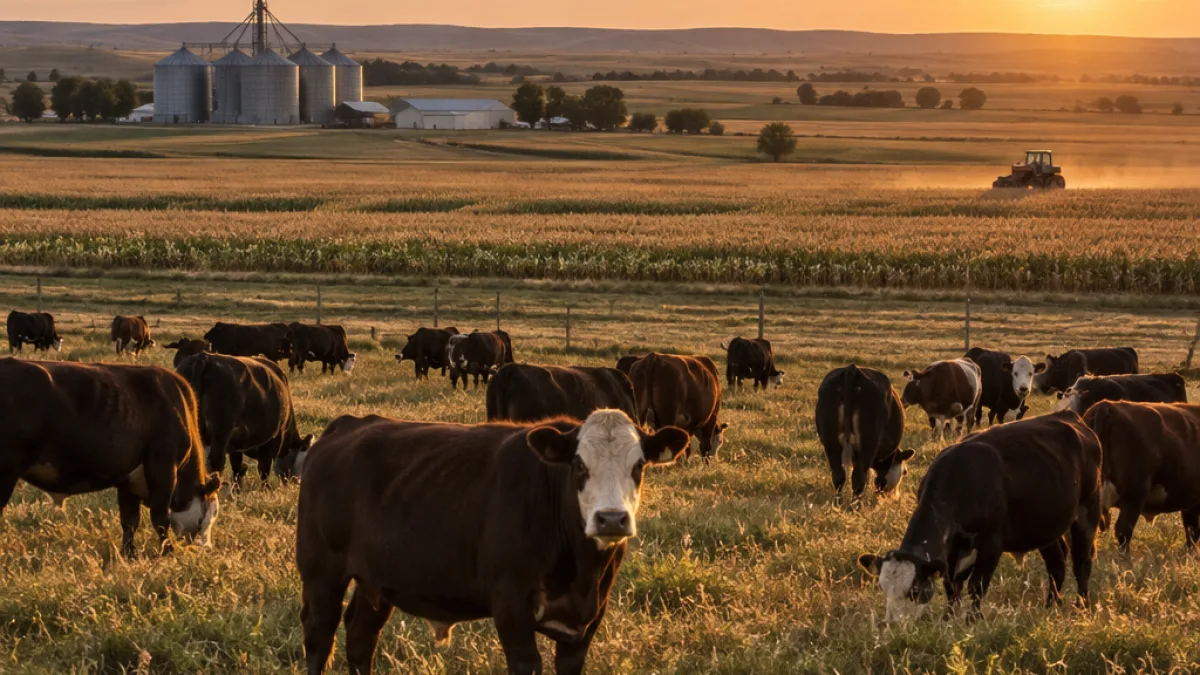
Cattle receipts are projected to reach a record $22.29 billion in 2026, up 10% from 2025. The increase reflects higher cattle prices and slightly heavier slaughter weights. The cattle projection accounts for most of the expected growth in Nebraska livestock revenue.
| Category | 2026 projection | Change from 2025 |
|---|---|---|
| Net farm income | $9.4 billion | Up 16% |
| Cattle receipts | $22.29 billion | Up 10% |
| Total livestock cash receipts | $24.3 billion | Up 6% |
| Direct government payments | $1.38 billion increase | Up 95% |
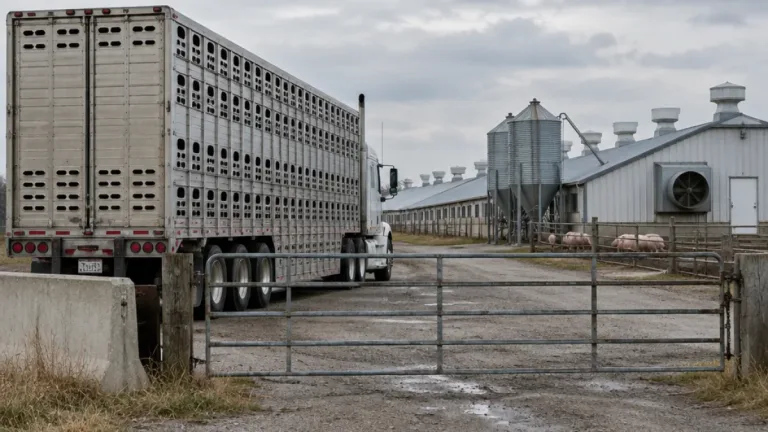
Total Nebraska livestock cash receipts are expected to rise 6% to $24.3 billion. Hog receipts are projected to fall 3%. Poultry and egg receipts are forecast to decline 44%, largely because egg prices are lower as poultry flocks rebuild after recent outbreaks of highly pathogenic avian influenza.
Direct government payments are projected to increase by $1.38 billion, or 95%. The outlook attributes the increase to higher payments through the Agriculture Risk Coverage and Price Loss Coverage programs as well as supplemental assistance, primarily the Farmer Bridge Assistance Program.
“We continue to see genuinely strong cattle receipts and some improvement in crop receipts, but government payments are again playing a substantial role in the net income projection.”
Brad Lubben, an extension agricultural policy specialist at Nebraska, said the higher statewide income projection should not be treated as a measure of profitability for every operation. He said production expenses are expected to rise for the sixth consecutive year, leaving financial pressure for many producers.
Crop receipts are expected to recover
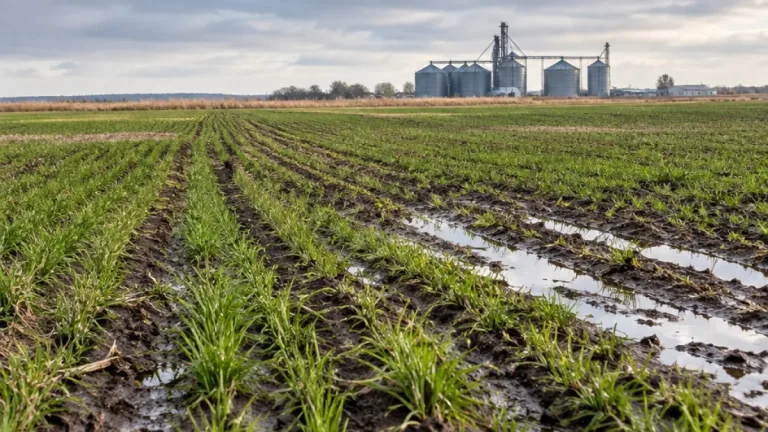
Crop receipts are projected to increase 5% in 2026 after declining for three consecutive years. The outlook links the projected increase to improved crop revenue, while also emphasizing that rising input and other production expenses remain part of the farm-income picture.
The outlook’s income figure combines revenue and expenses across Nebraska’s agricultural sector. Its authors cautioned that the statewide result does not describe the financial outcome of a particular farm or ranch. Livestock mix, crop production, operating costs and access to government programs can produce different results among producers.