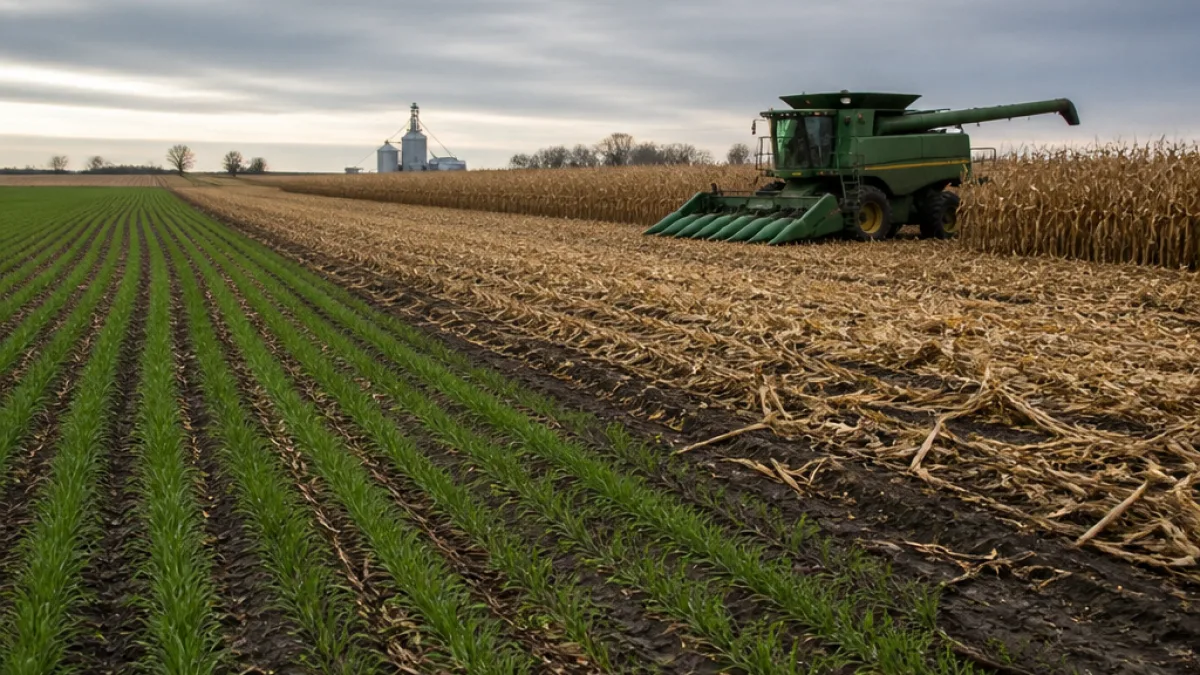
Southwest Nebraska received about 0.70 inches of moisture during the past week, improving conditions for newly planted winter wheat, Nebraska Extension reported in its October crop update.
Extension said the moisture has helped producers establish the crop and described the winter wheat fields observed in the area as looking strong so far. The update concerns the crop that will be harvested in 2027, rather than this year's completed wheat harvest.
Harvest status varies by crop
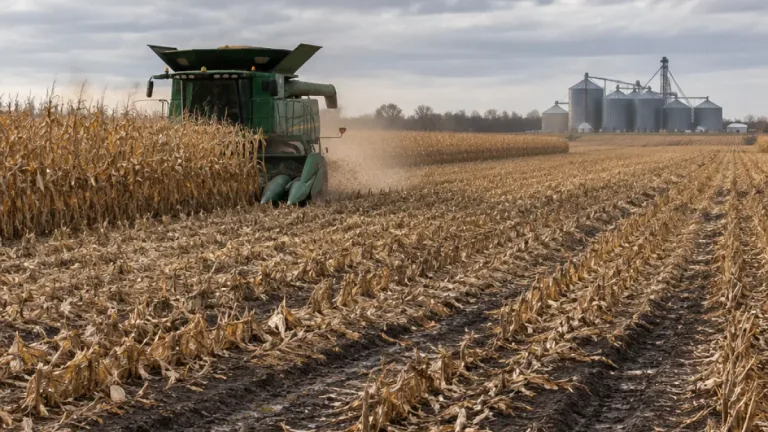
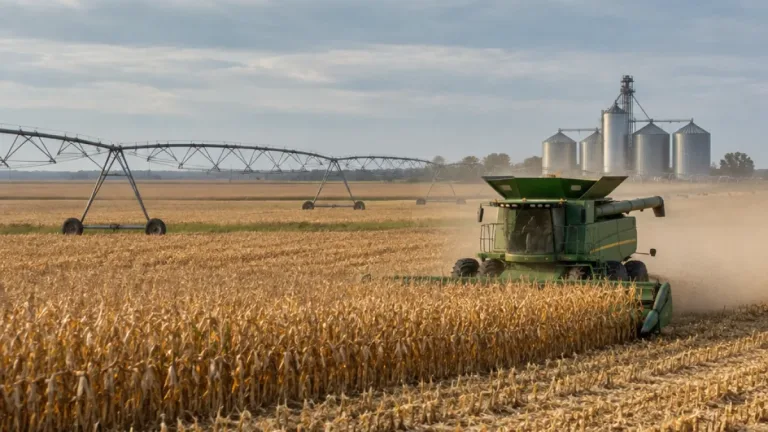
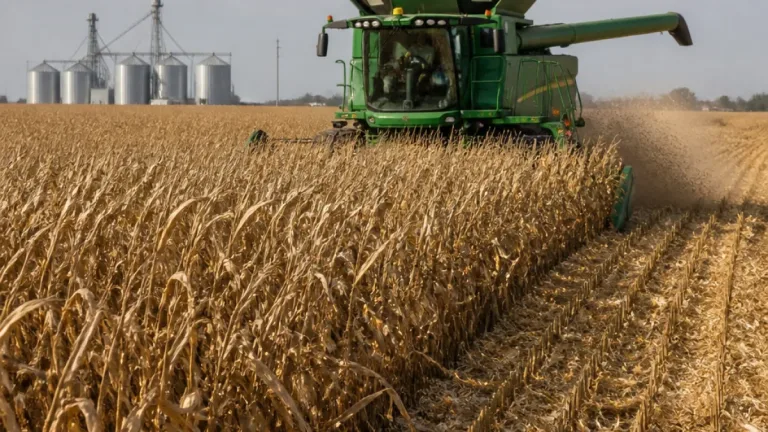
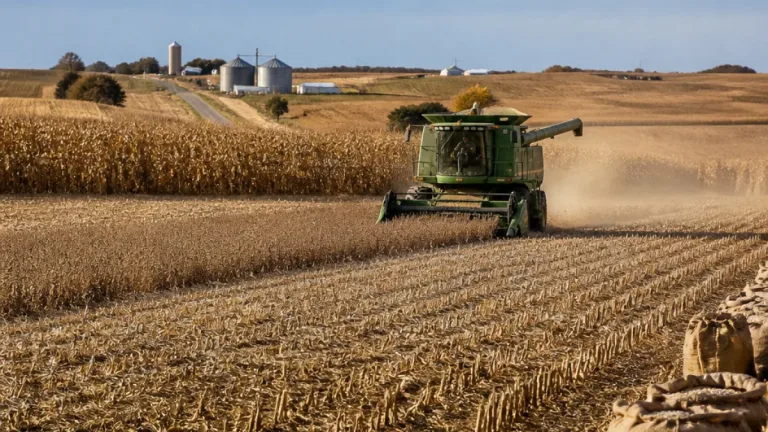
Producers in the region have finished bringing in soybeans, according to Nebraska Extension. Corn harvest is also largely complete, although some fields remain to be harvested. Sorghum harvest is still underway for some producers, leaving the final condition of that crop to be determined after the remaining acres are collected.
- Soybeans: Harvest is complete.
- Corn: Most acres have been harvested.
- Sorghum: Some producers still have fields remaining.
- Winter wheat: Recent moisture has improved planting and early establishment conditions.
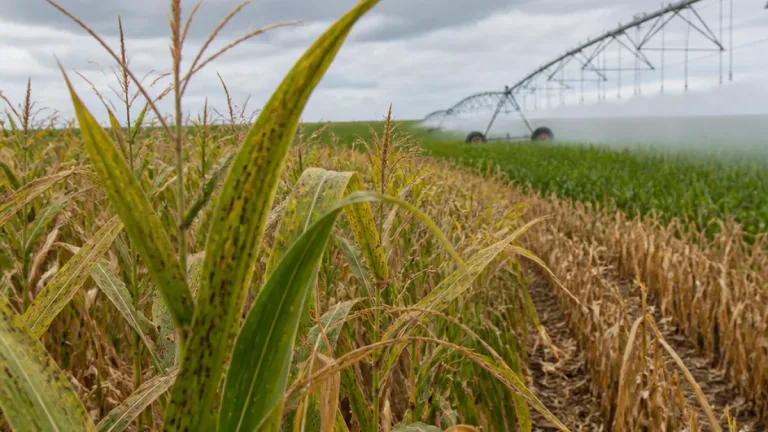
The update also addressed dark or dusty material appearing on some corn plants and farm equipment during harvest. Nebraska Extension plant pathology specialists said the appearance is often associated with saprophytic fungi. Those organisms use dead or deteriorating plant material and can produce dark spores as crop residue breaks down.
Moisture arriving after the crop has matured can support the fungi's growth, Extension said. In most cases, the organisms are not harming the corn itself and do not require a specific field-management response.
The dark dust can irritate the airways of people with allergies or other respiratory sensitivities. Extension recommends that people exposed to the dust use an appropriate, well-fitting respirator and keep combine cab filters clean. If the discoloration is on the ears or kernels rather than on residue or equipment, producers should examine the affected grain more closely to check for other possible quality issues.
Extension plans farmer discussions
Nebraska Extension is also organizing a pilot effort called Farming for the Future for row-crop farmers in southwest Nebraska. The planned sessions are intended to give producers opportunities to discuss conservation practices and operating challenges with one another, with Extension helping facilitate the conversations. Participation is aimed at farmers interested in conservation, including those who are not already using a particular conservation practice.