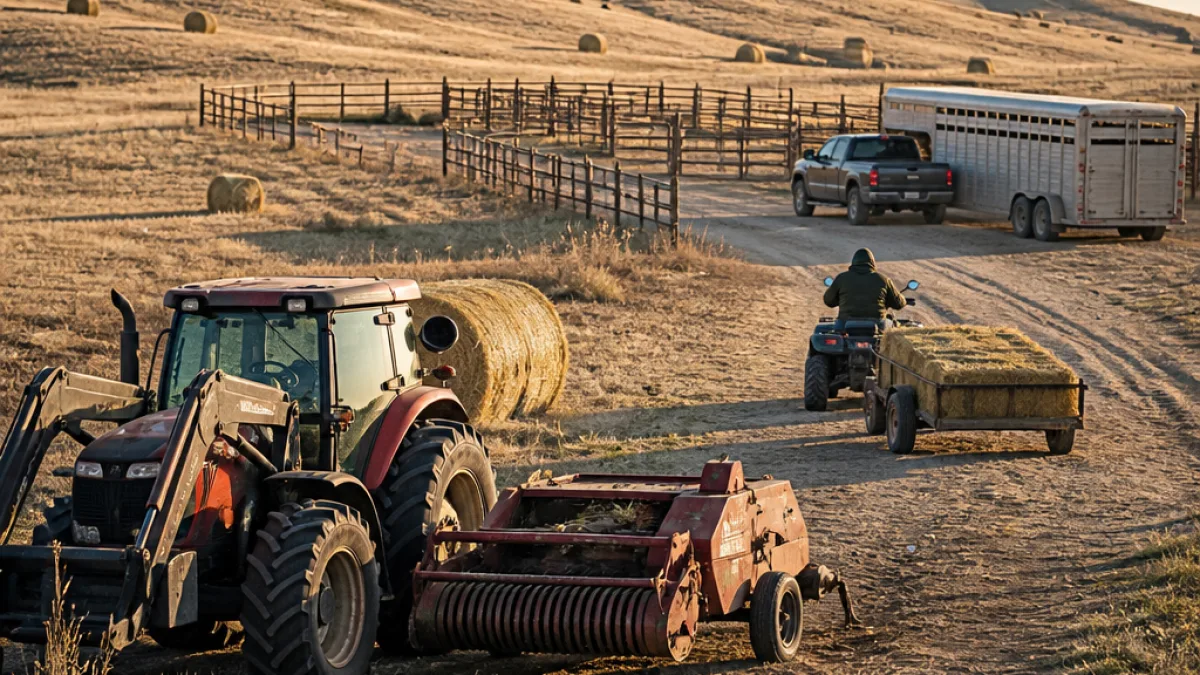
Rising diesel prices are pinching every corner of one Sandhills cattle operation this fall, a rancher told Brownfield Ag News, forcing changes in how the operation fuels equipment, ships beef and plans winter feeding.
Fuel and freight add to input pressures
Jaclyn Wilson, who runs a ranch in the Nebraska Sandhills, said the recent run-up in diesel has pushed up costs for machinery hours and transportation. That includes higher prices to move finished beef from the ranch to direct‑to‑consumer customers.
“We’re looking at it not only for input costs for our operation because anything that comes in for miles or hours, those costs are rising too. But, we also have to look at what it costs to get things off the ranch.” — Jaclyn Wilson
Wilson said higher fuel costs have reduced some ancillary income streams. The ranch hosts campers during parts of the year, and she said fewer campers are visiting because the fuel prices increase travel costs. Those campers typically purchase several hundred dollars of beef per visit, and fewer visitors mean less on‑farm sales.
Drought adds to winter feeding concerns
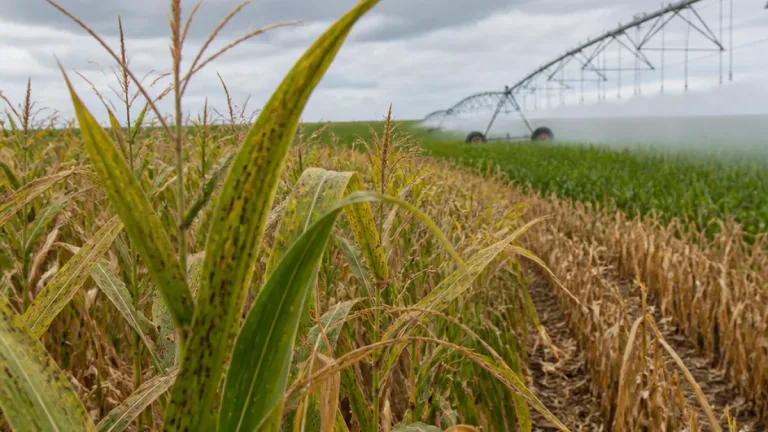
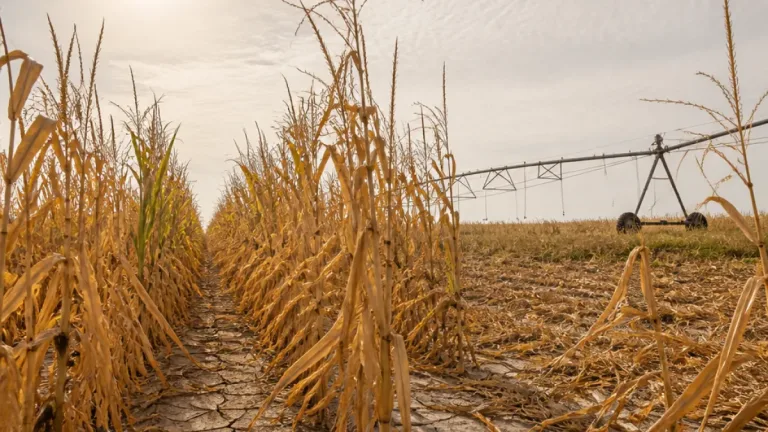
Wilson also described how the region’s drought could compound the problem: producers who would normally graze livestock will likely need to feed more this winter, increasing tractor and feeder use and further raising diesel needs.
She said finding corn stalks as a low‑cost supplement has been difficult because fewer acres were planted this year. That shortage will require more tractor time to feed hay and other supplements during winter months.
Operational changes to curb fuel use
To reduce diesel consumption, Wilson said the ranch is cutting back on how often equipment runs and shifting some tasks to lower‑fuel options. That includes using ATVs in place of diesel pickup trucks for short trips around the ranch, and altering how they process bales in backgrounding lots.
- Shut down tractors between loads rather than idling.
- Use a grinder brought in for bale processing instead of running a heavier mixer continuously.
- Rely more on ATVs for light transport instead of full‑sized diesel pickups.
Wilson said those adjustments are intended to reduce fuel burn where feasible and cut labor time, but she emphasized they are stopgap measures while broader cost pressures remain.
Higher diesel also affects costs beyond feed and transport: seed, fertilizer, custom harvesting and other services that require machinery or trucking become more expensive as fuel prices climb, increasing the overall cost of cattle and crop production across Nebraska.
Her account underscores the interconnected effect of energy prices and weather on Nebraska ranch economics as producers move into winter feeding season.