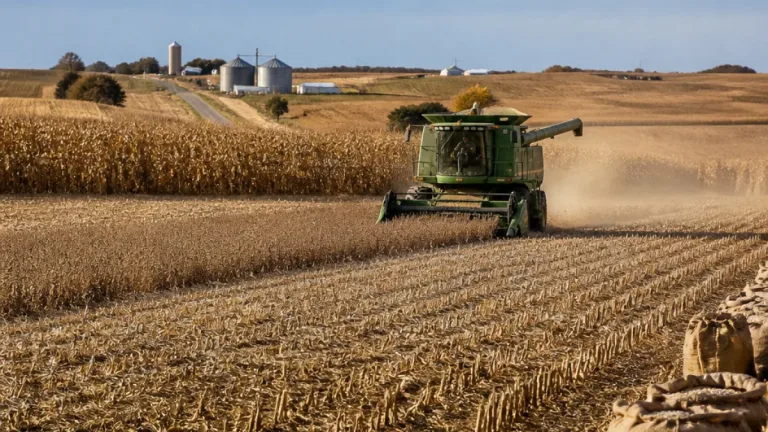

Gov. Jim Pillen signed a measure Oct. 15 that broadens state protections for Nebraska's agricultural sector and critical infrastructure, adding criminal penalties for certain offenses tied to unauthorized biological materials and other risks, his office said.
The legislation updates state statutes to address threats to the food supply and to systems the farming economy depends on, including water, energy and communications networks, Pillen told reporters. The governor framed the action as part of a broader effort to secure the state beyond traditional border and law enforcement concerns.
“Securing Nebraska is not just about border security or law enforcement, it’s about protecting our food supply. It’s about our power grid. It’s about our water. It’s about our communications network,” Gov. Jim Pillen said.
State officials said the measure creates new criminal penalties tied to unauthorized importation and storage of agricultural pathogens. The changes follow reports from other states of illegal imports of microbes and pathogens that posed risks to livestock and crops, officials noted.
What the law does
- Creates criminal penalties for unauthorized imports and storage of certain biological agents relevant to agriculture;
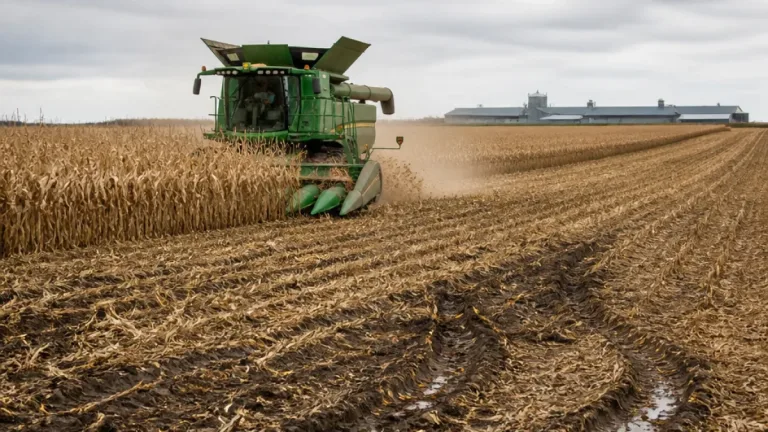
- Targets vulnerabilities tied to modern, connected farm equipment and data systems used in precision agriculture;
- Builds on earlier action this year that established the nation’s first ag data privacy protections.
Jackie Deal, a national security consultant with State Armor, cited cases in Michigan and Indiana in which individuals pleaded guilty after illegally importing biological materials, saying those incidents illustrate hazards to the food chain and ag producers.
“That could hurt our food supply and our ag industry. Those cases have been in Michigan and Indiana and we’re seeing people plead guilty to those charges. This is a real threat,” Deal said, according to the governor's office.
FBI Special Agent in Charge Eugene Kowel of the Omaha Field Office described how increased connectivity in agricultural machinery and equipment creates potential vectors for exploitation. He said many modern devices are networked, which enhances efficiency but also increases exposure to cyber and data vulnerabilities.
The bill is the second significant legislative step this year intended to secure agricultural operations and the data that underpins them. Earlier in the legislative session, lawmakers approved and Pillen signed a law intended to protect farmers’ digital data and clarify privacy obligations for entities handling ag information.
Lawmakers and state officials did not release details on enforcement timelines or anticipated costs tied to implementation. State and federal partners, including law enforcement and ag industry stakeholders, are expected to be involved in any future enforcement or compliance efforts the statutes require.