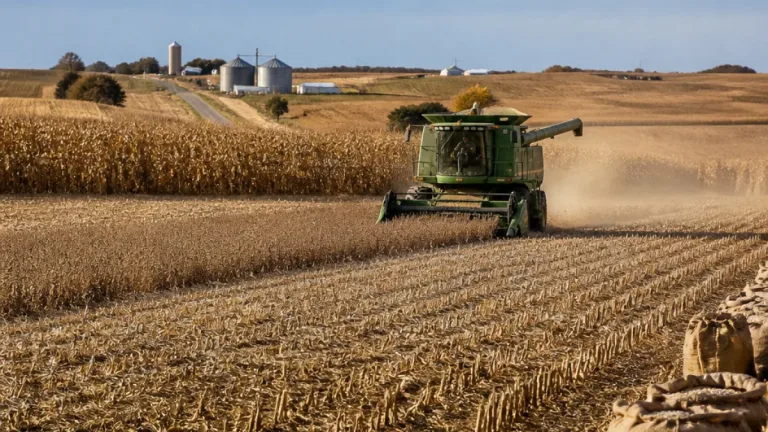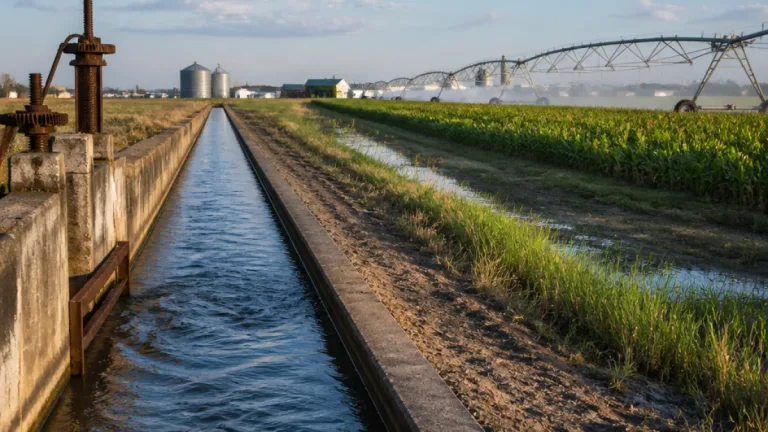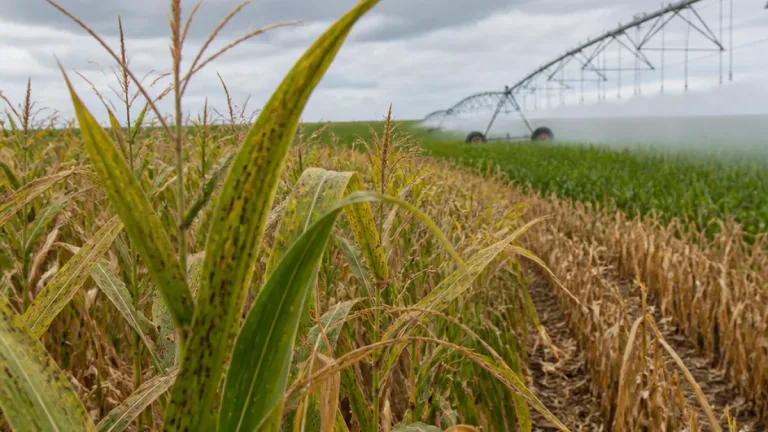

The University of Nebraska–Lincoln has launched a multiyear research project to test whether cover crops can reduce irrigation demand and retain nitrogen in Nebraska cropping systems while remaining economically viable for producers.
research goals and setting
Abia Katimbo, a UNL irrigation management specialist, said the team is focusing on three linked questions: whether cover crops conserve irrigation water, whether they trap off‑season precipitation and prevent nitrogen loss, and whether the practice makes sense economically for producers. The trials are under way at the UNL West Central Research, Extension and Education Center near North Platte.
“Can the cover crop reduce irrigation and nitrogen requirements, but also do the economics make sense?” Katimbo said.
Katimbo said the project grew out of rising concern over groundwater supply in western Nebraska and higher input costs. Farmers in some areas, he said, have already encountered shortages when attempting to pump previously available water on fields.
threefold approach
The UNL team is taking a threefold approach to address producers’ questions. The study will measure:
- changes in soil moisture and irrigation use where cover crops are established,
- movement and retention of nitrogen through the off‑season and into the cropping period, and
- the economic tradeoffs between potential input savings and the cost or yield effects of adding cover crops.
Katimbo said much of the current evidence suggests cover crops can help retain springtime precipitation, but farmers want locally relevant data for Nebraska’s varied climate and irrigation regimes. He also framed the work as an effort to answer common producer concerns: whether cover crops will increase crop water demand, lower yields by tying up nitrogen, or instead reduce fertilizer needs.
The project is in its first year and is funded in part by a grant from the North Central Sustainable Agriculture Research and Education program, Katimbo said. Researchers will collect field measurements over multiple seasons to assess water balance, nitrogen dynamics and the financial implications for irrigated and dryland operations.
UNL’s trials add to a growing body of regional research on regenerative practices aimed at stretching limited groundwater and curbing nutrient runoff. The Nebraska tests are intended to provide producers with data from local soil types, climate patterns and irrigation systems.
Researchers said they will publish results and farm‑level guidance from the trials once multiyear data are available and have been analyzed.